What Every Treasure Valley Homeowner Needs to Know Before Winter Hits
Does home insurance cover roof damage from snow? For most homeowners with a standard HO-3 policy, the answer is yes — but only under specific conditions. If you suspect winter weather has compromised your home, consulting a professional Boise roofing contractor is the best first step to evaluate your options.
Here is a quick breakdown:
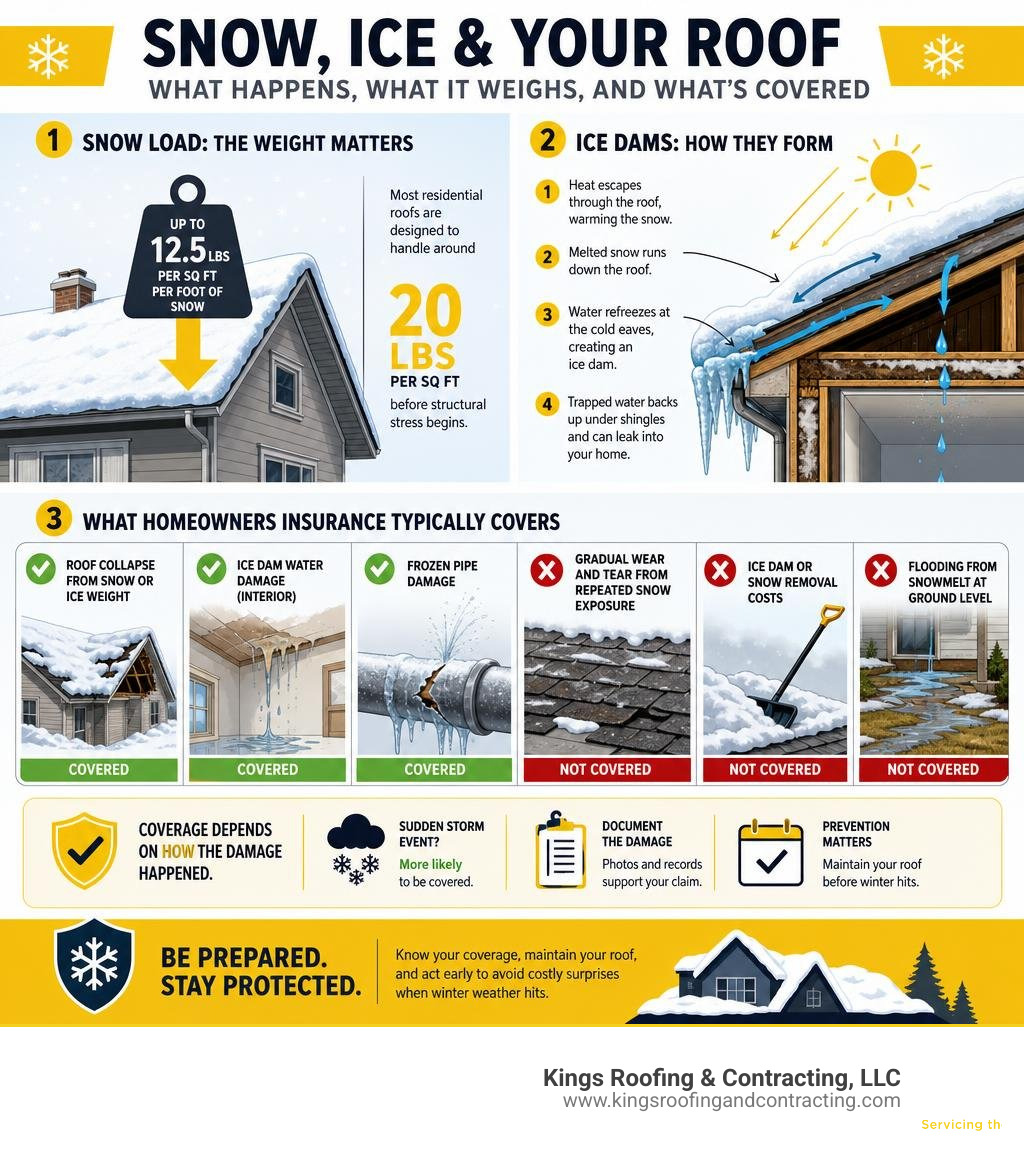
| Snow Damage Type | Typically Covered? |
|---|---|
| Roof collapse from snow or ice weight | Yes |
| Ice dam water damage (interior) | Yes |
| Frozen pipe damage | Yes |
| Gradual wear and tear from repeated snow exposure | No |
| Ice dam or snow removal costs | No |
| Flooding from snowmelt at ground level | No |
Coverage depends on how the damage happened — not just that it happened. A sudden roof collapse from a heavy snowstorm is treated very differently than a slow leak that built up over years of neglected maintenance. Insurers look closely at the cause, and they will deny claims that look like deferred maintenance rather than a sudden weather event.
Winter weather puts real stress on roofs in the Treasure Valley. Heavy, wet snow can weigh up to 12.5 pounds per square foot per foot of accumulation — and most residential roofs are only designed to handle around 20 pounds per square foot before structural stress begins. That math adds up fast after a serious storm.
I’m Ryan Santoro, owner of Kings Roofing & Contracting, and with 24 years of construction experience — including helping Treasure Valley homeowners navigate does home insurance cover roof damage from snow after storm events — I’ve seen how the right documentation and roof condition can make or break a claim. In this guide, I’ll walk you through exactly what’s covered, what’s not, and how to protect yourself before the next storm hits.
Does home insurance cover roof damage from snow definitions:
Does Home Insurance Cover Roof Damage from Snow?
When the winter storms roll through Idaho, leaving a beautiful but incredibly heavy blanket of white across the Treasure Valley, homeowners naturally start to worry about the structural integrity of their homes.

The short answer is that standard homeowners insurance policies do cover roof damage caused by snow and ice, provided the damage is sudden, accidental, and linked to a specific weather event. However, insurance is designed to protect you from unexpected disasters—not the predictable consequences of neglecting your home.
Whether your insurance company approves or denies your claim depends heavily on your policy type, the age of your roof, and how well you have maintained your property. According to Bankrate’s guide on snow damage, a standard HO-3 homeowners policy generally covers damage from the weight of snow, ice, or sleet, but it excludes the cost of preventative snow removal and gradual, long-term wear. If a sudden blizzard dumps two feet of heavy wet snow on your Nampa home and causes a structural failure, your dwelling coverage will step in. If you need immediate assistance after a severe winter storm, utilizing professional storm damage roofing services is the safest way to assess the structural integrity of your home and secure the documentation your insurer will demand.
When Does Home Insurance Cover Roof Damage from Snow?
Your insurance policy is a legal contract that outlines specific “covered perils.” When it comes to winter weather, insurance companies typically cover roof damage under the following scenarios:
- Abrupt Roof Collapse: If the physical weight of accumulated snow, ice, or sleet causes your roof to cave in or suffer sudden structural failure, standard policies will cover the cost of repairing the roof and the interior of your home.
- Water Intrusion from Ice Dams: When snow melts on your roof and refreezes at the cold eave edges, it forms an ice dam. This backs up water under your shingles. While the policy won’t pay to remove the ice dam itself, it typically covers the resulting water damage to your ceilings, drywall, and personal belongings.
- Fallen Trees and Limbs: Heavy snow often causes tree branches to snap and crash onto your roof. If a snow-laden branch punctures your roof, the structural damage is covered.
- Frozen and Burst Pipes: If extreme cold associated with a snowstorm causes pipes in your attic or crawlspace to freeze and burst, resulting in water damage, this is generally covered (as long as you kept the heat on in the home).
According to Liberty Mutual’s snow damage resource, the structural damage to the roof and any water damage to the interior of the home are covered because they are direct results of a covered peril (weight of ice, snow, or sleet). If the structural bones of your home are compromised, you will need to seek professional structural roof repair immediately to prevent a total failure of your roof system.
Understanding Policy Limits: Does Home Insurance Cover Roof Damage from Snow?
Not all homeowners insurance policies are created equal. The type of policy you hold dictates the level of protection you have when winter weather strikes.
- HO-1 Policies: These are basic, named-peril policies. They almost never cover damage caused by the weight of ice, snow, or sleet. If you have an HO-1 policy, you will likely pay for snow damage entirely out of pocket.
- HO-2 Policies: These are broad-form policies that cover a wider list of named perils, which typically includes the weight of ice, snow, or sleet.
- HO-3 Policies: This is the most common type of residential property insurance. It is an “open-peril” policy for your dwelling, meaning your home is covered against all risks except those specifically excluded in the policy text. HO-3 policies provide robust coverage for snow-related collapses and ice dam water damage.
Beyond the policy type, you must understand how your insurer calculates your payout. Insurance companies use two primary methods: Actual Cash Value (ACV) and Replacement Cost Value (RCV).
| Policy Feature | Actual Cash Value (ACV) | Replacement Cost Value (RCV) |
|---|---|---|
| Payout Calculation | Cost to repair minus physical depreciation based on age | Current cost to repair or replace with materials of like kind and quality |
| Out-of-Pocket Cost | High (you pay the difference for a brand-new roof) | Low (you only pay your deductible) |
| Roof Age Impact | Insurers heavily reduce payouts for roofs older than 15–20 years | Insurers pay for a full replacement, though some policies shift older roofs to ACV |
| Deductible Applied | Yes (typically $500 to $2,500, or a percentage of dwelling limit) | Yes |
As explained in the Hilb Group’s analysis of snow coverage, winter storm deductibles in high-risk areas can sometimes be set as a percentage of your dwelling coverage (typically 2% to 5%) rather than a flat dollar amount. It is critical to review your policy declarations page before winter weather arrives so you aren’t caught off guard by a massive deductible.
Common Exclusions and Why Snow Damage Claims Get Denied
Insurance adjusters are trained to investigate the root cause of every claim. When a homeowner files a claim for snow damage, the insurer’s primary goal is to determine whether the damage was caused by a sudden, unavoidable weather event or by years of neglected maintenance.

If an adjuster inspects your roof and finds rusted flashing, rotted decking, missing shingles, or widespread mold, they will likely deny your claim. They will argue that the snow load was simply the “last straw” on a roof that was already failing due to age and deferred maintenance. Under standard policy language, homeowners are legally required to perform reasonable maintenance to protect their property.
According to Wallace Law’s insights on denied claims, insurance companies often deny snow-related claims by arguing that the damage resulted from wear and tear, structural deterioration, or poor construction rather than a sudden storm. This is why having regular, professional roof inspections is so vital. When you have a documented paper trail showing your roof was in excellent condition prior to the winter season, it becomes incredibly difficult for an insurance company to blame pre-existing wear and tear for your roof’s failure.
The “Collapse Definition Trap” and Sagging Roofs
One of the most common legal battlegrounds between homeowners and insurance companies is the definition of a “collapse.” Standard HO-3 policies cover the “abrupt collapse” of a building or any part of a building if it is caused by the weight of rain, ice, snow, or sleet.
However, policies specifically exclude settling, cracking, shrinking, bulging, or expanding. This creates what consumer advocates call the “collapse definition trap.” If your roof sags severely under the weight of heavy snow, causing your rafters to crack and your ceilings to bow, your insurance company may deny the claim. They will argue that because the roof did not actually fall down and cave in, it is merely “sagging” or “settling,” which is not covered.
As detailed in the Insurance Journal’s analysis of policy language, the legal definition of collapse has been heavily litigated. While some state courts have ruled that “substantial impairment of structural integrity” constitutes a collapse, many insurers stick strictly to the “abrupt falling down” definition. If your roof is structurally compromised but has not completely caved in, you must document the damage immediately and seek professional structural engineering assessments to prove that the home is unsafe to inhabit.
Ice Dam Removal vs. Resulting Water Damage
Ice dams are a major headache for homeowners in Caldwell and Eagle during freezing weather. They form when heat escapes from your attic, melts the snow on your roof, and the water runs down to the cold eave where it refreezes.
There is a strict line of demarcation in how insurance companies handle ice dam claims:
- Ice Dam Removal (Not Covered): Insurers view the physical removal of ice and snow from your roof as preventative maintenance. They will not pay for a professional service to steam or shovel ice off your roof, even if it is actively threatening to cause a leak.
- Resulting Water Damage (Covered): If the ice dam backs up water that seeps under your shingles and ruins your ceiling drywall, insulation, and personal items, the cost to repair the interior damage is fully covered.
If you suspect water is sneaking behind your walls but cannot find the source, scheduling professional leak detection services can pinpoint the exact entry point, providing the concrete evidence your insurance adjuster needs to approve your interior water damage claim.
How to File a Successful Snow Damage Roof Claim
If your roof suffers damage during a Treasure Valley winter storm, the steps you take immediately following the event will directly impact whether your claim is approved and how much you are paid.
Your policy requires you to take “reasonable steps” to prevent further damage to your property after a loss. This means that if snow weight punctures your roof, you must make temporary repairs—such as putting up a tarp or sealing a hole—as soon as it is safe to do so. If you fail to mitigate the damage, and a subsequent rainstorm ruins your hardwood floors, the insurer can deny coverage for the floor repairs.
Always prioritize safety. Never climb onto a snowy, icy, or structurally compromised roof to document damage or install a tarp. Instead, contact a licensed professional. At Kings Roofing & Contracting, we provide comprehensive insurance claims assistance to help you document the damage safely, provide temporary emergency tarping, and guide you through the complex claims process from start to finish.
Step-by-Step Claim Process for Homeowners
To ensure your claim goes smoothly, follow this step-by-step process as soon as you suspect snow damage:
- Document the Scene Immediately: Take clear, timestamped photos and videos of the damage from the ground. Document the depth of the snow on your roof, any visible structural sagging, cracked interior drywall, or water dripping from your ceilings.
- File the Claim Promptly: Call your insurance company or agent within 24 to 48 hours of discovering the damage. Provide your policy number, the exact date of the weather event, and a clear description of what happened. Request a claim number.
- Schedule a Professional Inspection: Before the insurance adjuster arrives, have a trusted roofing contractor inspect the roof. They will provide an independent, professional assessment of the damage and a detailed estimate for repairs.
- Prepare for the Adjuster’s Visit: When the insurance adjuster arrives, walk the property with them. Present your photos, your contractor’s estimate, and any local meteorological data showing the snowfall totals for your specific area.
- Keep Detailed Records: Save every receipt for emergency repairs, temporary housing, and communication with your insurance company.
If your roof requires immediate attention to prevent further structural decline, do not wait for the adjuster to approve the final claim before scheduling emergency roof repair services. Just make sure to document the “before” state thoroughly so the insurance company can verify the necessity of the repairs.
What to Do If Your Claim Is Denied
Receiving a denial letter from your insurance company can be incredibly frustrating, but it is not the end of the road. Insurers make mistakes, and adjusters often rely on hasty visual inspections.
If your claim is denied, start by reading the denial letter carefully. The insurer must cite the exact policy language or exclusion they are using to deny your claim (such as “wear and tear” or “gradual seepage”).
Once you know their defense, you can build your appeal:
- Hire an Independent Structural Engineer: If the insurer claims your roof sagged due to pre-existing structural issues rather than snow weight, a licensed engineer can provide a binding report detailing the exact cause of the structural failure.
- Hire a Public Adjuster: Public adjusters are independent insurance professionals who work exclusively for you, not the insurance company. They will re-evaluate your claim, negotiate directly with your insurer, and help maximize your payout. Studies have shown that policyholders who use public adjusters often receive significantly higher payouts than those who handle claims alone.
- File a Formal Appeal: Submit your engineering reports, contractor estimates, and a written appeal to your insurer’s claims management team. If they still refuse to act in good faith, you can file a formal complaint with the Idaho Department of Insurance.
How to Prevent Snow Damage and Protect Your Insurance Coverage
Proactive maintenance is your shield against both winter roof damage and insurance claim denials. If you can prove that you actively maintained your roof, your insurer will have no legal ground to stand on if you ever need to file a claim.
The most effective way to prevent snow-related roof damage is to address the underlying causes of snow load and ice damming:
- Upgrade Attic Insulation: Keeping your attic cold is the key to preventing ice dams. Ensure your attic insulation meets or exceeds R-38 standards. This keeps your home’s heat inside your living spaces where it belongs, rather than letting it escape to melt roof snow.
- Improve Ventilation: Proper soffit, gable, and ridge ventilation allows cold outdoor air to circulate through your attic, keeping the roof deck at a uniform temperature and preventing uneven snow melting.
- Clean Your Gutters in the Fall: Clogged gutters trap melting snow, which quickly refreezes into heavy ice dams. Ensure your gutters and downspouts are entirely clear of leaves and debris before the first freeze.
- Use a Roof Rake Safely: If a massive storm dumps over a foot of heavy snow, use a long-handled roof rake from the ground to pull snow off your roof’s eaves. Never climb a ladder to clear snow, and never use a metal shovel that can scrape and ruin your shingles.
Signing up for a comprehensive roof maintenance program is the easiest way to ensure your roof is structurally sound, your flashing is sealed, and your gutters are clean before the harsh Idaho winter arriving in Nampa, Meridian, or Kuna.
Upgrading Your Roof for Winter Resilience
If your current roof is approaching the end of its lifespan, or if you live in an area of the Treasure Valley that experiences heavy winter accumulation, upgrading your roofing system can dramatically reduce your risk of winter damage.
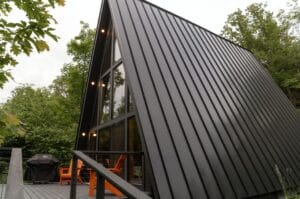
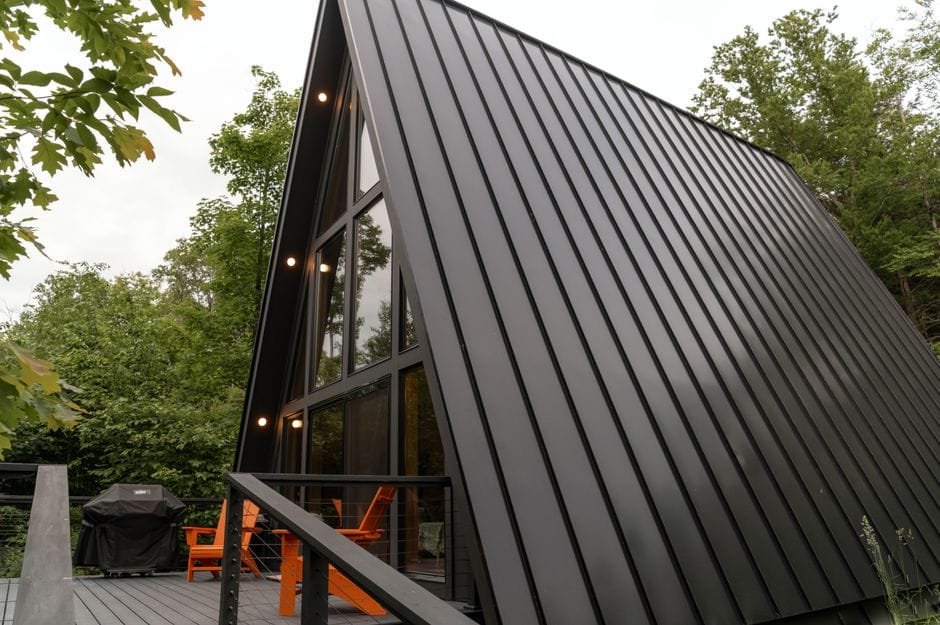
Metal roofing is one of the best investments you can make for winter resilience. Because metal has a sleek, smooth surface, snow and ice slide off easily before they can accumulate and threaten your home’s structural integrity. Additionally, installing snow guards on a metal roof prevents large sheets of ice from sliding off all at once, protecting your gutters, landscaping, and family.
If you are ready to upgrade your home’s defense against winter weather, exploring high-quality metal roofing options will give you peace of mind knowing your roof is engineered to shed heavy snow loads automatically.
Frequently Asked Questions About Snow Roof Damage
Does homeowners insurance cover roof collapse from the weight of snow or ice?
Yes, standard homeowners insurance policies (such as HO-3 and HO-2 forms) cover sudden and abrupt roof collapse caused by the weight of snow, ice, or sleet under your dwelling coverage. If a collapse occurs, the policy will also pay to repair interior water damage, structural framing, and cover your personal belongings under personal property coverage. However, if the insurer can prove the collapse was caused by pre-existing termites, rot, or decades of neglected maintenance, the claim may be denied.
Does insurance cover ice dam removal?
No, homeowners insurance does not cover the cost of professional ice dam removal, steam services, or snow shoveling. Insurers classify ice dam removal as preventative maintenance, which is the homeowner’s financial responsibility. However, if an ice dam causes water to back up under your shingles and leak into your home, your policy will cover the resulting interior water damage to your drywall, paint, insulation, and flooring.
Will filing a snow damage claim increase my insurance premiums?
Yes, filing a claim for structural snow damage or a roof collapse can cause your insurance premiums to increase. On average, homeowners see a premium increase of 7% to 25% after filing a single property damage claim. However, the financial cost of repairing a collapsed roof or severe structural water damage (which can easily range from $20,000 to $50,000) far outweighs the minor, gradual increase in your annual premium.
Conclusion
Navigating the complexities of homeowners insurance after a major winter storm can feel overwhelming, but you do not have to do it alone. Understanding the cold, hard truth about what your policy covers—and keeping your roof in peak condition—is the absolute best way to protect your family and your financial investment.
At Kings Roofing & Contracting, LLC, we have spent over two decades helping our neighbors across Boise, Meridian, Nampa, Caldwell, Eagle, Kuna, and Garden City weather the harshest Idaho winters. As a GAF-certified contractor, we stand behind our workmanship with transparent pricing, honest assessments, and 24/7 emergency availability when you need us most.
Whether you need a preventative inspection before the snow flies, emergency tarping after a severe blizzard, or assistance navigating a complex insurance claim, we are here to help. Contact us today to schedule our top-rated Boise roof repair services or request a completely free roof quote to secure your home before the next storm hits.