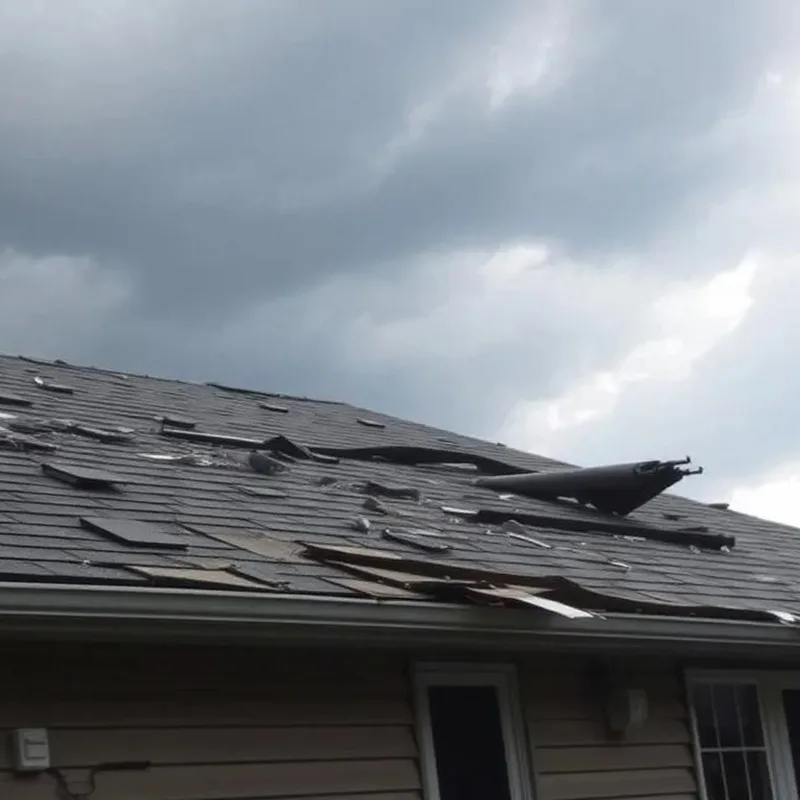
What Storms Actually Do to Roofs in the Treasure Valley
Wind does most of the damage. In Ada County during 2024, National Weather Service storm reports (archived here) recorded eight damaging wind events against two hail reports. They include a measured 63 mph gust at the Boise Airport weather station on September 2, 2024, which brought down trees and cut power to about 2,000 customers in the North End, a 59 mph gust measured at Crestline Trail that July, and shingles blown off homes in Meridian that February. The National Weather Service Boise office issues severe thunderstorm warnings for the valley, most often in spring and summer.
Hail is less frequent and usually smaller. The two Ada County hail reports in 2024 were both about 1 inch, near Garden City, and Idaho is not one of the leading hail states: Texas and Kansas had the most hail events in 2025. Since 2004, reported hail in Ada County has clustered in June and September. Small hail still matters, because it strips the granules that protect shingles from Treasure Valley UV.
Big storms do come through. After strong winds, heavy rain and hail hit Ada and Canyon counties on June 26–27, 2026, the Idaho Office of Emergency Management asked homeowners, renters and businesses to report damage through its Report Damages page, which helps the state judge whether disaster assistance may be available. Reporting there is not an insurance claim and does not replace one.
Why Immediate Roof Repair After Storm Damage Matters
A storm-damaged roof rarely stays the same; it gets worse over time. A small leak from a missing shingle lets water into the attic insulation and roof deck, creating conditions for mold and wood rot. Our storm damage roof repair in Boise and across the valley focuses on stopping the damage at the source, which prevents the structural problems and high costs that come with long-term water intrusion.
The Kings Roofing Storm Damage Checklist for Treasure Valley Properties
If a major storm has recently passed, use this checklist to decide whether you need to call a professional roofing contractor.
- Internal Attic Inspection: Use a flashlight to look for water stains on the rafters, damp attic insulation, or "pinpricks" of light showing through the roof deck.
- Exterior Perimeter Walk: Check the ground for broken shingles, pieces of metal flashing, or bits of siding stripped by high winds.
- Gutter and Downspout Check: Look for a high concentration of asphalt granules, which look like heavy sand and indicate that your shingles have taken impact damage.
- Ceiling and Wall Review: Search for new water "bubbles" or yellow stains on your interior ceilings, the first signs of a slow, hidden roof leak.
- Secondary Surface Dents: Inspect your mailbox, garage door and window screens for dents; if these surfaces are damaged, your roof likely took hail damage as well.
Do Storm Roof Repairs Need a Permit?
It depends on the city, because each Treasure Valley city issues its own permits, not the county:
Kings Roofing & Contracting LLC pulls the right permit for your city, so storm repairs are inspected and on record for a future sale or refinance.