Understanding Composition Shingle Roofing: Materials and Anatomy
A composition shingle roofing system gets its name because it is a composite product made from multiple distinct engineering layers. Rather than relying on a single material like pure wood or quarry stone, manufacturers combine composite elements to produce a durable, lightweight, and weather-resistant barrier. When choosing a solution from Kings Roofing & Contracting, understanding these structural elements helps you select the right roof for your property.
Learn more about these composite material fundamentals in GAF’s deep dive on What Is a Composition Roof.
Core Layers in Composition Shingle Roofing
Modern composition shingles rely on three primary structural components built onto each other:
- Fiberglass Foundation Mat: The inner core consists of a thin, woven sheet of synthetic fiberglass strands. While this core represents less than 2% of the shingle’s overall weight, it provides the primary tensile strength, tear resistance, and dimensional stability needed to keep the shingle flat and rigid under extreme temperature changes.
- Saturated Waterproofing Asphalt: The fiberglass core is enveloped on both sides by a thick layer of refined waterproofing asphalt. This saturated coating creates the primary water barrier. Over decades of exposure to extreme cold and summer heat, the gradual loss of volatile organic compounds from this asphalt causes standard aging and flexibility loss.
- Protective Mineral Granules: The top surface features crushed ceramic-coated mineral rock granules embedded directly into the hot asphalt. These granules reflect harmful ultraviolet (UV) radiation, protect the asphalt from physical degradation, provide Class A fire resistance, and lend rich colors to your home. Many modern lines incorporate micro-copper granules to suppress blue-green algae staining.
To explore various material combinations for your replacement project, view our full guide on Asphalt Shingle Roofing.
Organic vs. Fiberglass Composite Mat History
Prior to the 1980s, asphalt shingles used a organic cellulose base made from recycled paper, wood fibers, or rag felt. These organic mats absorbed surrounding atmospheric moisture over time, leading to premature warping, blistering, and accelerated decay in freezing climates.
Modern North American shingle manufacturing relies almost entirely on non-woven fiberglass mats. Fiberglass mats do not absorb moisture, resist rot completely, and achieve the highest fire rating available (UL 790 Class A).
Types of Composition Shingles: 3-Tab, Architectural, and Premium
Homeowners evaluating composition roofs choose between three core design tiers based on performance requirements, budget, and desired curb appeal.
Comparing 3-Tab vs. Laminated Options in Composition Shingle Roofing
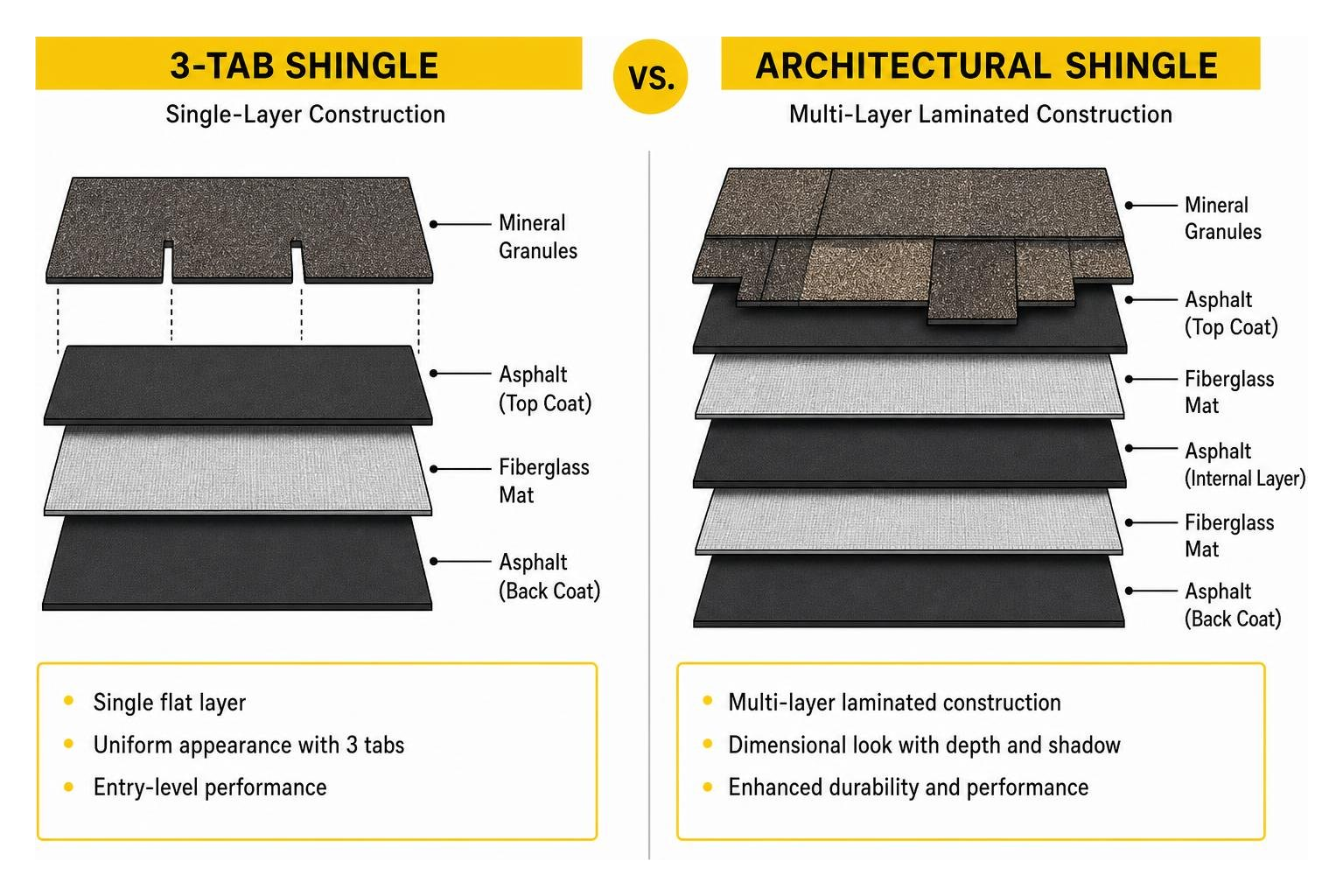
- 3-Tab Composition Shingles: Built as a single flat layer with cutouts that create three distinct tabs along the lower edge. These entry-level shingles offer a uniform, clean grid appearance. They carry wind uplift ratings between 60 mph and 80 mph and offer an average lifespan of 15 to 20 years.
- Architectural (Dimensional) Shingles: Formed by laminating multiple layers of asphalt and fiberglass together. This multi-ply construction creates deep shadowy lines that replicate real wood shakes. Architectural options weight up to 50% more than 3-tab shingles, boast wind ratings of 110 mph to 130+ mph, and last between 25 and 30+ years.
- Specialty Cool Roof & Impact Shingles: Engineered variants featuring specialized solar-reflective surface granules that can cut attic cooling bills by up to 15%. They also incorporate rubberized polymers (SBS) to achieve Class 4 impact resistance against extreme hail.
Luxury and Designer Composition Shingle Tiers
For homeowners seeking maximum architectural distinction, luxury composition shingles present an extraordinary alternative. These heavy-bodied, multi-layer laminated shingles replicate natural slate tiles or thick hand-split cedar shakes at a fraction of the structural weight and cost. They feature Class 4 hail impact ratings, lifetime non-prorated manufacturer warranty protections, and elevated curb appeal.
Review all available design aesthetics in our comprehensive guide to Ultimate Guide to Asphalt Shingle Roofing Options.
Cost Breakdown, Lifespan, and Weather Durability
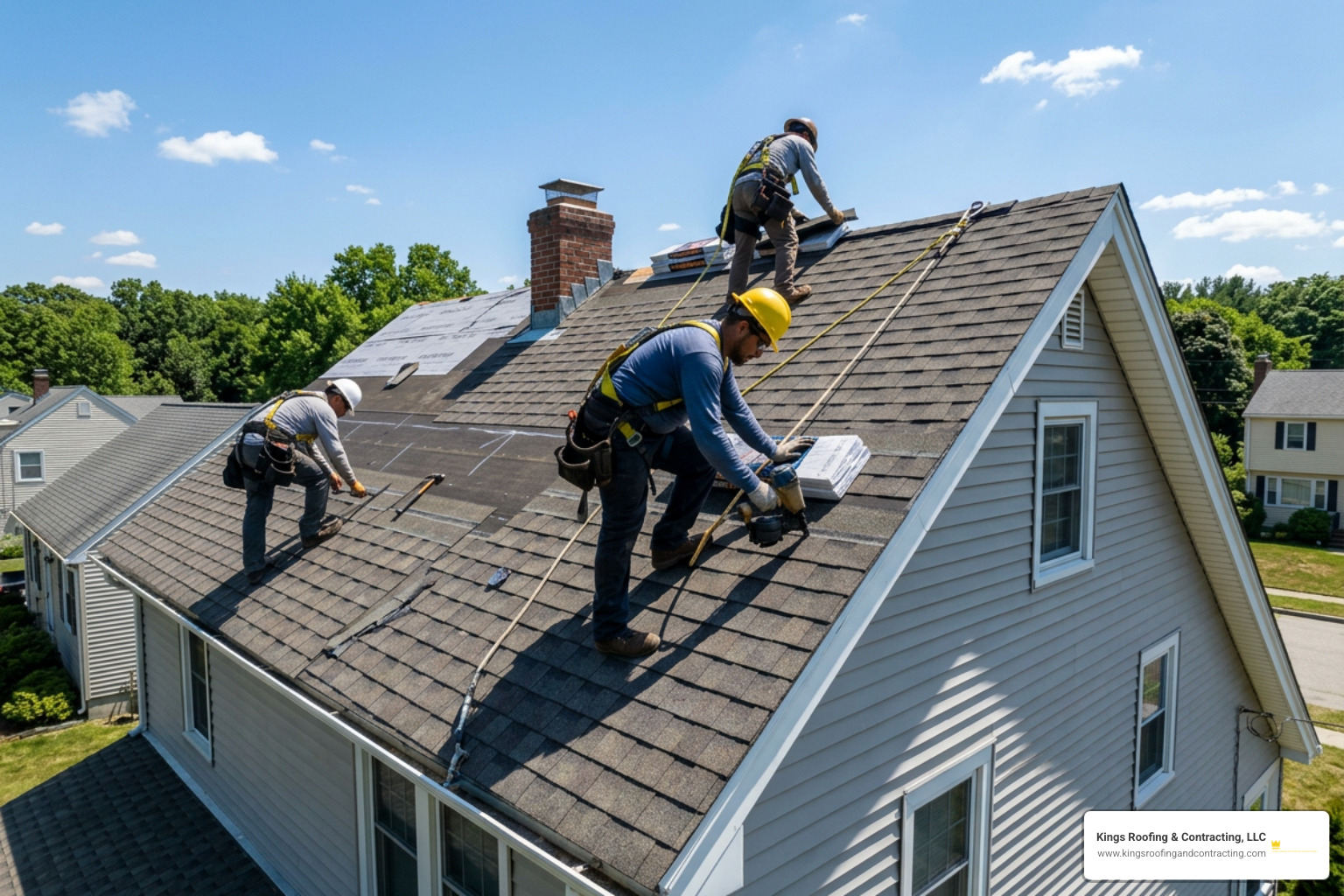
A new composition shingle roofing project typically ranges between $3 and $5 per square foot installed for standard styles, making it the most cost-effective residential solution on the market.
For a clearer understanding of material pricing and quote breakdowns, read our article Don’t Get Nailed by Hidden Fees Composition Shingle Roofing Costs Explained.
Cost Factors and Installation Pricing
Several structural and labor variables influence overall replacement costs:
- Roof Size and Pitch: Roof size is calculated in “squares” (1 square = 100 square feet). Steeper slopes require specialized safety harnesses, staging equipment, and slower installation speeds.
- Old Roof Tear-Off and Disposal: Stripping away old layers of damaged shingles, felt underlayment, and rusted flashings requires added labor and dump fees.
- Roof Decking Repairs: Any rotten or soft plywood sheathing uncovered during tear-off must be replaced before installing new underlayment.
- Ventilation and Flashings: Installing ridge vents, pipe boots, synthetic underlayments, ice and water shields, and valley metals adds material coverage but safeguards the home long-term.
Check out our full analysis of Shingle Roof Replacement Costs Explained Without the Sticker Shock.
Expected Lifespan and Environmental Resistance
While standard 3-tab composition roofs last 15 to 20 years, modern architectural shingles perform reliably for 25 to 30+ years. High-grade luxury systems can reach up to 50 years under ideal conditions.
Environmental performance across weather extremes includes:
- Wind Uplift: High-wind architectural shingles feature reinforced nail zones and severe-weather sealing strips rated to resist continuous wind speeds up to 130 mph.
- Hail and Impact: Standard shingles can crack under large hail impacts, but Class 4 impact-rated shingles absorb heavy blows without suffering structural fractures.
- Thermal Shock and Heat: Rapid shifts between blazing summer sun and freezing winter nights trigger expansion and contraction. Proper attic ventilation reduces heat buildup to prevent premature shingle cupping and granule shedding.
Material Comparison: Composition Shingles vs. Metal, Tile, and Slate
| Roofing Material | Typical Installed Cost (per sq ft) | Expected Lifespan | Wind Resistance Rating | Roof Deck Weight |
|---|---|---|---|---|
| Composition Shingles | $3.00 – $6.00 | 20 – 30+ Years | 60 – 130+ mph | Lightweight (2.0 – 4.5 lbs/sq ft) |
| Metal Roofing | $7.00 – $14.00 | 40 – 70 Years | 110 – 140+ mph | Lightweight (1.5 – 3.0 lbs/sq ft) |
| Clay / Concrete Tile | $10.00 – $20.00 | 50 – 100 Years | Up to 125 mph | Heavy (9.0 – 12.0+ lbs/sq ft) |
| Natural Slate | $15.00 – $30.00 | 75 – 100+ Years | 110 – 150 mph | Very Heavy (10.0 – 15.0+ lbs/sq ft) |
To explore all roof types side-by-side, visit our overview of Types of Roofing.
Choosing the Right Material for Your Home
While standing seam metal and clay tiles offer longer overall life spans, composition shingle roofing provides the best initial return on investment for most homeowners. Composition roofs weigh much less than tile or slate, eliminating the need for expensive structural roof framing reinforcements. They are also much faster to repair or replace after storm events.
Installation Best Practices, Maintenance, and Warranties
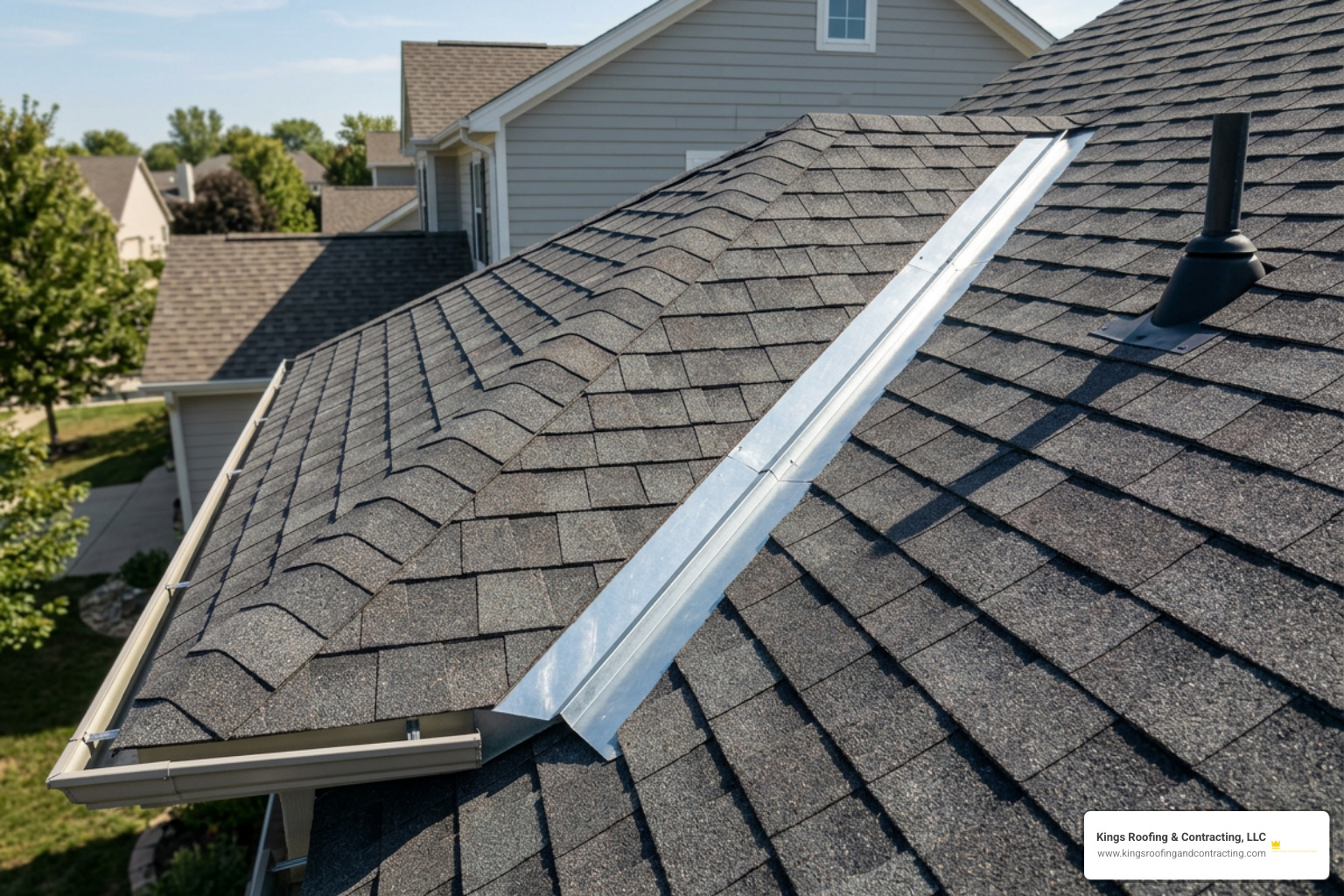
Proper installation techniques dictate whether a composition roof achieves its full designed service life.
Professional Installation and Contractor Selection
Installing a lasting roof requires precise execution:
- Complete Tear-Off: We always recommend stripping old roof layers down to the bare wooden decking rather than performing an overlay. Overlays mask hidden deck rot, strain structural weight limits, and frequently void manufacturer warranties.
- High-Performance Underlayments: We install self-adhering ice and water protection membranes along eaves, valleys, and wall flashings, followed by synthetic underlayments across the entire deck.
- Starter Strips and Fastening: Factory starter shingles installed along eaves prevent wind lift. Driving nails inside designated chalk lines guarantees optimal holding power.
Learn more about our certified installation process at Roof Installation and explore full replacement services at Roof Replacement.
Maintenance Requirements and Warranty Coverage Tiers
Simple seasonal maintenance will extend the life of your composition roof:
- Clear Gutters and Downspouts: Clean out accumulated leaves twice a year so water cannot back up underneath shingle edges.
- Trim Overhanging Trees: Keep tree limbs cut back at least 6 feet from the roof plane to stop physical abrasion and prevent moss growth.
- Schedule Inspections: Request professional evaluations after major hail or wind events to address damaged shingles promptly.
Basic composition shingles include a 25-to-30-year limited product warranty. When installed as a complete, integrated system by certified contractors, non-prorated warranties cover 100% of material and labor replacement costs for up to 50 years.
Frequently Asked Questions About Composition Roofing
How long does a composition shingle roof typically last?
A high-quality composition shingle roofing system typically lasts between 20 and 30 years. Premium architectural and luxury shingles can last 30 to 50 years when installed with proper underlayments and attic ventilation.
What is the average cost to install a composition shingle roof?
The average installed cost ranges from $3 to $5 per square foot for standard architectural shingles. Total pricing depends on overall square footage, roof pitch, tear-off requirements, decking repairs, and selected trim accessories.
Can you install new composition shingles over existing shingles?
While local building codes may allow a single overlay, laying new shingles over old ones is not recommended. Overlays prevent thorough deck inspections, add excessive weight, reduce wind resistance, and can void manufacturer warranty coverages.
Conclusion
Choosing the right composition shingle roofing option boils down to balancing your upfront budget with long-term performance and curb appeal. Whether you select traditional 3-tab options or high-definition architectural shingles, professional installation makes all the difference.
Explore our dedicated Residential Roofing solutions to find the perfect fit for your home. Kings Roofing & Contracting, LLC provides GAF-certified workmanship, transparent pricing, and 24/7 availability across Boise, ID, and surrounding Treasure Valley communities.
Ready to upgrade your roof? Request your Free Roof Quote today to get started! Flexible payment plans are also available through our Financing options.