Quick answer
An ice dam is a ridge of ice along the roof edge that traps melting snow, so water backs up under the shingles and leaks inside. In Boise, attic heat melting the snow is the usual cause. Clear the lower few feet of snow safely, then book a free roof inspection to find the heat leak.
What an ice dam is
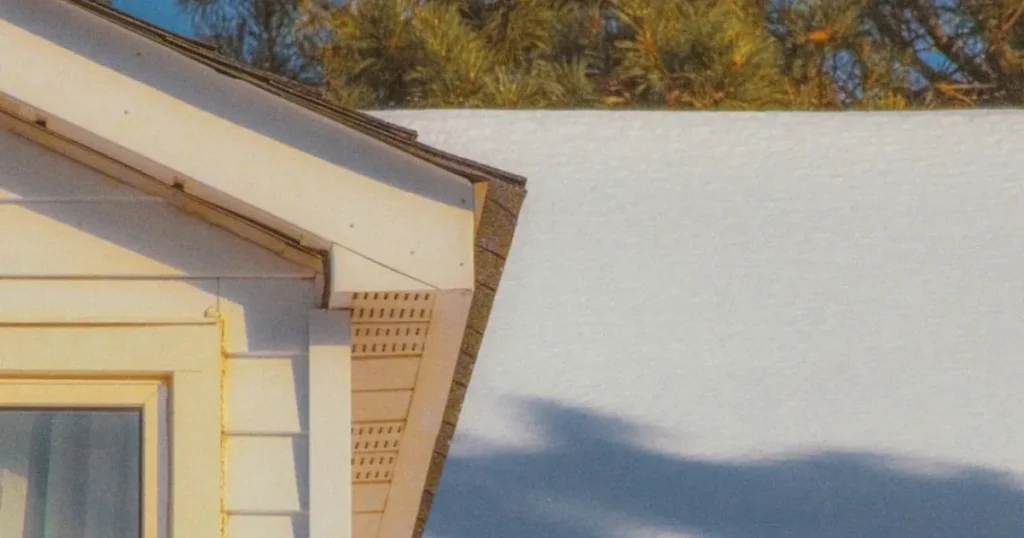
Think of your roof in two parts. The main part sits over the attic, and in most homes some heat from the rooms below gets up there. The eaves, the part that hangs past the outside walls, have nothing warm under them. When KTVB covered ice dams in the Treasure Valley, it put it simply: the overhang is the only part of the roof with no heated living space below it.
So snow on the upper roof melts, the water runs down, and it freezes when it reaches the cold edge. Every melt adds another layer. After a few days you have a wall of ice, and the next round of meltwater pools behind it. Shingles are made to shed water running downhill. They aren’t made to hold back a puddle, so the water works its way up under them, into the roof deck and then into your ceiling.
Why Boise roofs get them
Boise doesn’t get mountain snow, but it gets the weather that builds ice dams: a snowfall followed by sunny afternoons near freezing and cold, clear nights. That swing between melting and refreezing is what stacks ice at the eaves. On our leak detection calls, ice dam damage at the eaves is the third most common source we find, especially on homes with poor attic ventilation after a heavy December snow.
When snow is on the way, check the National Weather Service Boise winter page, which shows how much snow is likely for Boise and nearby towns. A few inches of snow followed by a run of sunny, freezing days is the setup to watch.
Signs you have an ice dam
- A thick ridge of ice along the gutter or the edge of the roof
- Large icicles on the gutters, especially with water dripping behind them
- Water stains or peeling paint on ceilings or walls along the outside walls
- Damp or frosty insulation in the attic above the eaves
- Gutters pulling away from the house under the weight of the ice
Icicles alone don’t mean water is getting in. But icicles plus a fresh stain inside means you have a leak.
What to do right now
- Stay off the roof. A snowy, icy roof is easy to slide off, and walking on frozen shingles can crack them.
- Pull snow off the lower edge. From the ground, use a roof rake to clear the bottom 3 to 5 feet of snow above the gutters. You don’t need to clear the whole roof. Pull gently, because a rake can scrape the shingles if you dig in.
- Don’t take a hammer or pick to the ice. It’s easy to break shingles and gutters that way. Leave the ice itself to a professional.
- Catch the water inside. Set out buckets and towels, move anything valuable, and take dated photos of every stain.
- Call if water is coming in. Our emergency roof repair crew answers 24/7 and responds within 60 minutes. We clear the problem area, stop the water and check the attic insulation and ventilation that caused the ice dam.
The University of Minnesota Extension, which studies ice dams in one of the snowiest states, gives the same advice: raking can damage roofing, and winter roof work is safest left to professionals.
How to stop ice dams from coming back
Clearing ice treats the symptom. The real fix is keeping the roof deck cold and even, so snow doesn’t melt in one spot and freeze in another. That comes down to four things.
- Seal the air leaks into the attic. Warm air slipping up around light fixtures, bath fans, the attic hatch and pipes is the main cause, according to the University of Minnesota Extension. Idaho Power offers its Idaho customers a home energy audit that includes a blower door test to find those air leaks.
- Add insulation where it’s thin. Once the leaks are sealed, more attic insulation keeps the heat in your rooms instead of on your roof.
- Balance the attic ventilation. Vents at the eaves let cold air in, and vents near the ridge let it out. That keeps the underside of the roof close to the outdoor temperature. During roof maintenance visits we check that intake and exhaust are balanced, and we repair vents that are blocked or missing.
- Keep the gutters clear. Clogged gutters hold meltwater right at the edge, where it freezes first. If yours keep filling with debris, ask about gutter guards.
If you’re replacing the roof anyway, ask about an ice-barrier membrane along the eaves. It goes under the shingles and seals around the nails, so water that backs up has a harder time getting through. In Boise, roof replacements go through the city’s roofing permit application, and city code allows a maximum of two layers of roofing material.
Does insurance cover ice dam damage?
Often the water damage inside is covered and the ice removal is not, but your policy decides. Our guide to home insurance and snow damage walks through what is usually covered and why some winter claims get denied.
How we help
Start with a free roof inspection. When we can get into the attic, we check the underside of the roof deck for moisture, ventilation and insulation problems, which is where most ice dams begin. If you already have a stain, a leak detection visit traces the water to where it actually gets in, using a thermal camera in the attic where access allows, and shows whether it’s an ice dam, a roof leak or attic condensation.
Frequently asked questions
Can I remove an ice dam myself?
You can rake snow off the lower edge of the roof from the ground, but we don’t recommend climbing up or chipping at the ice. Frozen shingles crack easily, and an icy roof is dangerous to stand on. If water is already getting in, call a roofer.
How do professionals clear ice dams?
Many ice dam removal crews melt the ice with low-pressure steam instead of hammering it, so the shingles and gutters aren’t broken. If water is coming inside, the first job is to stop the leak, then find the heat loss that caused the dam.
Does homeowners insurance cover ice dams?
Many policies cover the water damage an ice dam causes inside, such as wet drywall and insulation, but not the cost of removing the ice. Your own policy decides, so check it or ask your agent.
Are roofers responsible for ice damming?
Usually not. Ice dams start with heat escaping into the attic, not with the shingles. A roofer can help by fixing blocked or unbalanced attic vents and clogged gutters, while air sealing and insulation stop the melting itself.
When should I worry about an ice dam?
Worry when you see water: a new ceiling stain, damp insulation in the attic, or water dripping behind icicles. A thick ridge of ice with no leak still deserves a look, because it means heat is escaping and the next melt can push water inside.
Get your roof ready before the next snow
We serve Boise, Meridian, Eagle, Nampa and Caldwell.
Kings Roofing & Contracting, 9201 W State St #127, Boise, ID 83714. Call (208) 803-8341, 24/7, or book a free roof inspection.