Why Choosing the Right Commercial Roofer in Idaho USA Matters for Your Business
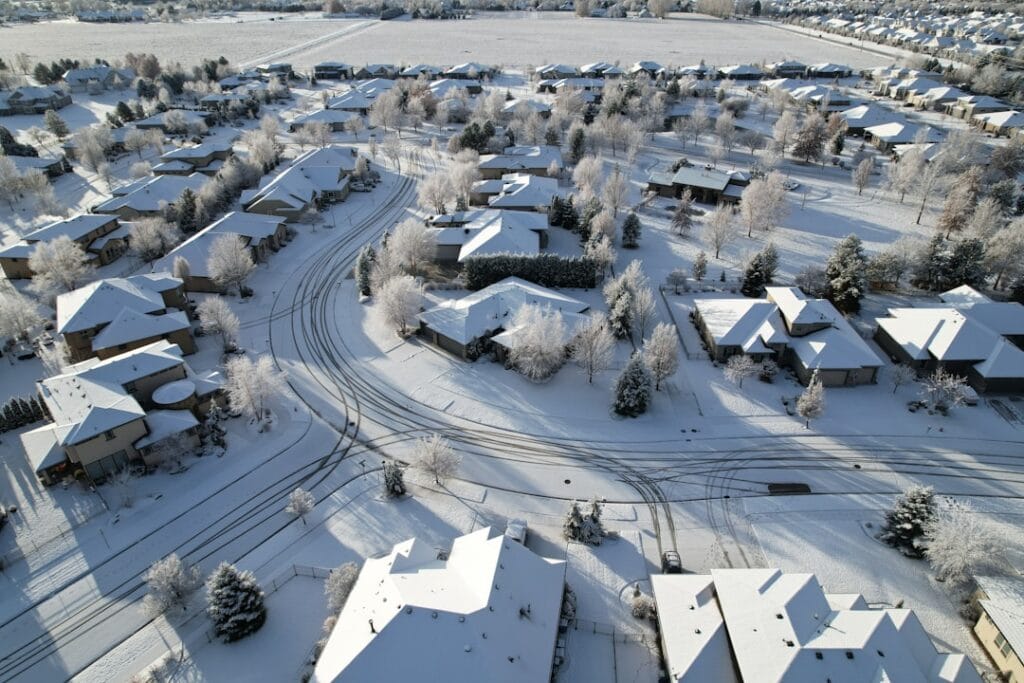
Finding a reliable commercial roofer in Idaho USA is one of the most important decisions a business owner or property manager can make. Idaho’s climate is unforgiving — summer roof surface temperatures can exceed 150°F, winters bring heavy snow loads, and spring storms deliver hail and high winds that can tear apart a poorly installed membrane overnight.
The stakes are high. A failing commercial roof doesn’t just cost money to fix. It disrupts operations, damages inventory, and creates liability risks. And with commercial roofs expected to last anywhere from 20 to 40 years depending on the material and maintenance, the contractor you choose today shapes your building’s protection for decades.
Here’s what to look for in an Idaho commercial roofer — fast:
- Licensed and insured with the Idaho Contractors Board (look for an active RCE number)
- Carries both general liability and workers’ compensation insurance
- Holds manufacturer certifications (only 2% of contractors nationwide achieve elite status like GAF Master Elite)
- Has local Idaho experience with flat roofs, snow loads, and temperature extremes
- Offers a written estimate, maintenance programs, and emergency repair services
- Provides manufacturer-backed warranties, including No Dollar Limit (NDL) options
If your commercial property is in the Treasure Valley, Kings Roofing & Contracting offers professional roofing services built around honest pricing, clear communication, and roofing systems matched to Idaho’s specific climate demands.
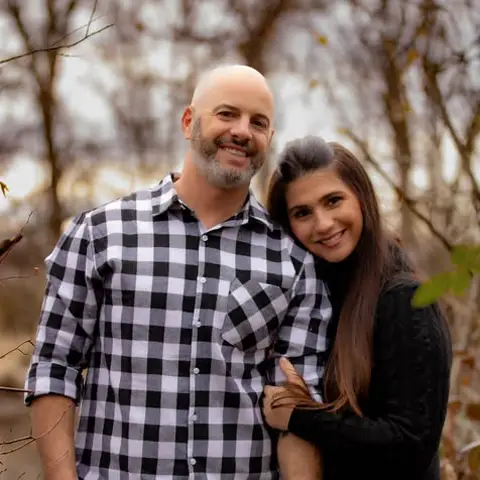
I’m Ryan Santoro, founder of Kings Roofing & Contracting, LLC, and with 24 years of construction experience — including large commercial builds and multiple flat roofing systems — I’ve seen what Idaho’s climate does to commercial roofs that weren’t installed or maintained correctly. This guide draws on that experience to help you make confident decisions as you evaluate any commercial roofer in Idaho USA.
Selecting the Right Commercial Roofer in Idaho USA
Selecting the right commercial roofing contractor in Idaho requires evaluating credentials, local experience, and industry standing. Because commercial systems are more complex than residential roofs, you cannot afford to hire a company that cuts corners.
Licensing and Registration
First and foremost, any legitimate roofing contractor operating in the state must be registered and active with the Idaho Contractors Board. When vetting a contractor, always ask for their active Idaho Contractor Registration number. Working with an unregistered contractor exposes your business to massive financial and legal liabilities.
Insurance Coverage
A professional commercial roofer must carry comprehensive insurance policies to protect your property and their workers. Never work with a company that cannot instantly provide up-to-date certificates for:
- General Liability Insurance: This covers any accidental damage to your building, inventory, or customers during the project.
- Workers’ Compensation Insurance: This protects you from being held liable if a roofing technician is injured on your job site.
Manufacturer Certifications
Only 2% of roofing contractors nationwide achieve elite manufacturer certifications, such as GAF Master Elite or CertainTeed Select ShingleMaster. These credentials are not just badges of honor; they are proof that the contractor undergoes continuous training, maintains excellent credit, carries proper insurance, and has a proven track record of superb craftsmanship. Furthermore, only certified contractors can offer extended, non-prorated manufacturer warranties that cover both materials and labor.
Local Experience
Idaho’s weather is unique. A contractor from out of state or one without extensive local experience may not understand how to properly detail a roof to survive our freeze-thaw cycles. Local knowledge is critical for designing proper drainage, calculating wind-uplift requirements, and managing heavy snow loads. We recommend partnering with established local experts who have deep roots in the community:
- For projects in the capital city, consult with proven boise commercial roofers who understand municipal codes and historic district requirements.
- If you operate in Meridian, work with certified meridian commercial roofers to ensure your suburban office park or retail center is protected.
- In Nampa and Caldwell, regional specialists like nampa commercial roofers and caldwell commercial roofers provide targeted industrial and agricultural roofing solutions.
For broader industry guidelines on selecting qualified professionals, you can consult the National Roofing Contractors Association (NRCA).
Commercial Roofing Systems for Idaho’s Climate
No single commercial roofing material is perfect for every building. The ideal choice depends on your building’s design, slope, structural capacity, rooftop equipment, and budget. In Idaho, single-ply membranes and metal are the most common choices.
Here is a quick breakdown of how the primary commercial roofing systems compare:
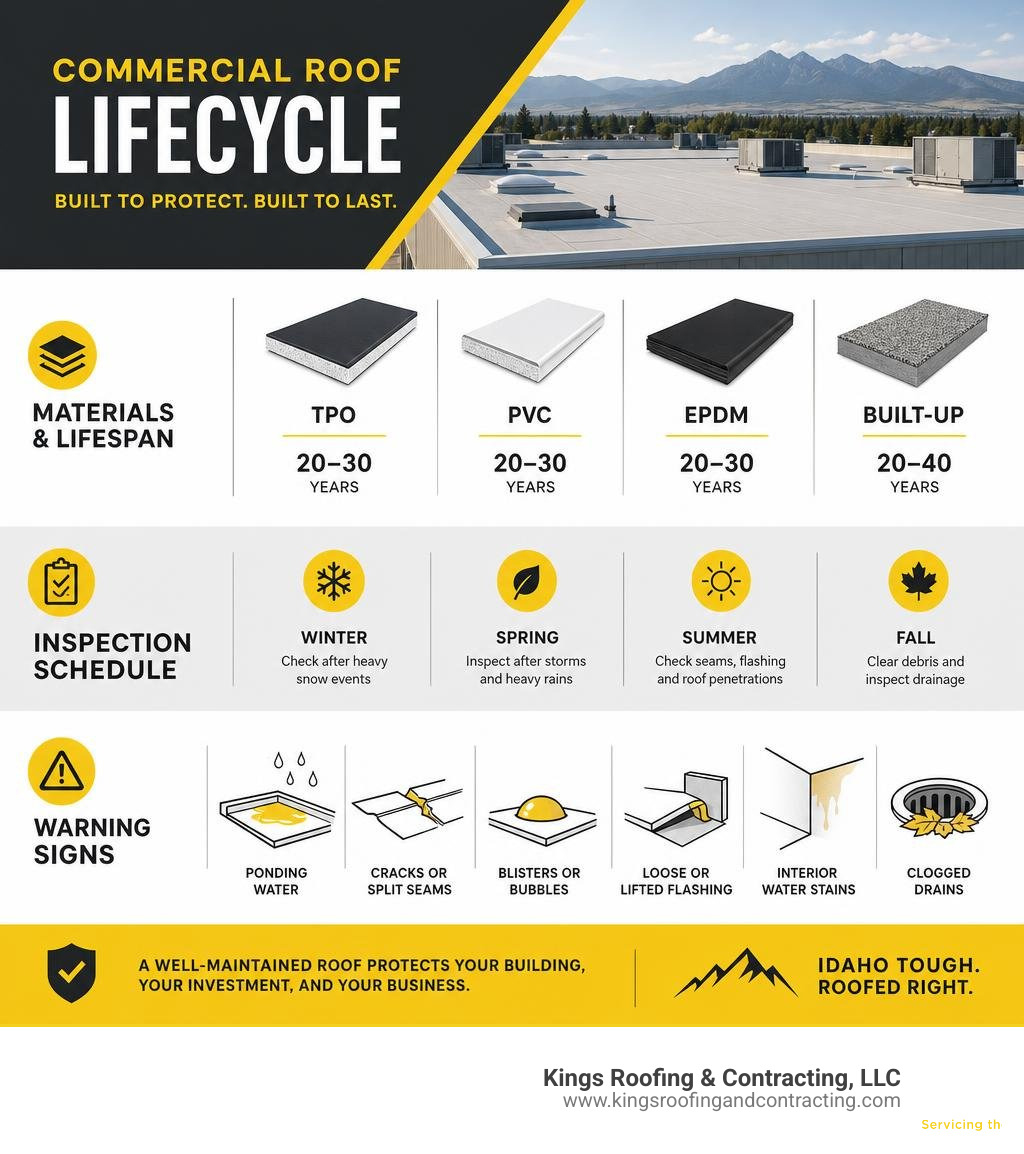
| Roofing Material | Average Lifespan | Primary Advantages | Best Suited For |
|---|---|---|---|
| TPO (Thermoplastic Polyolefin) | 20–30 Years | Highly reflective, energy-efficient, affordable, heat-welded seams. | Large retail spaces, warehouses, flat-roof office buildings. |
| PVC (Polyvinyl Chloride) | 20–30+ Years | Chemical, fire, and grease resistant; highly durable; flexible. | Restaurants, manufacturing plants, high-wind areas. |
| EPDM (Synthetic Rubber) | 20–35 Years | Extremely durable, handles thermal shock well, low maintenance. | Large flat roofs, cold climates, low-foot-traffic facilities. |
| Metal (Standing Seam) | 30–50+ Years | Exceptional lifespan, sheds snow easily, low maintenance, premium look. | Steep-slope buildings, architectural accents, mountain areas. |
| Modified Bitumen | 20 Years | Highly durable, multi-ply puncture resistance, proven technology. | High-traffic roofs, older commercial buildings. |
To explore these options in detail, you can check out our specialized guides on flat roof systems and high-durability metal roofing options.
Choosing a Commercial Roofer in Idaho USA for Flat Roof Systems
Flat and low-slope commercial buildings require specialized single-ply membranes to prevent water infiltration. The three most common membrane systems are TPO, PVC, and EPDM.
TPO (Thermoplastic Polyolefin)
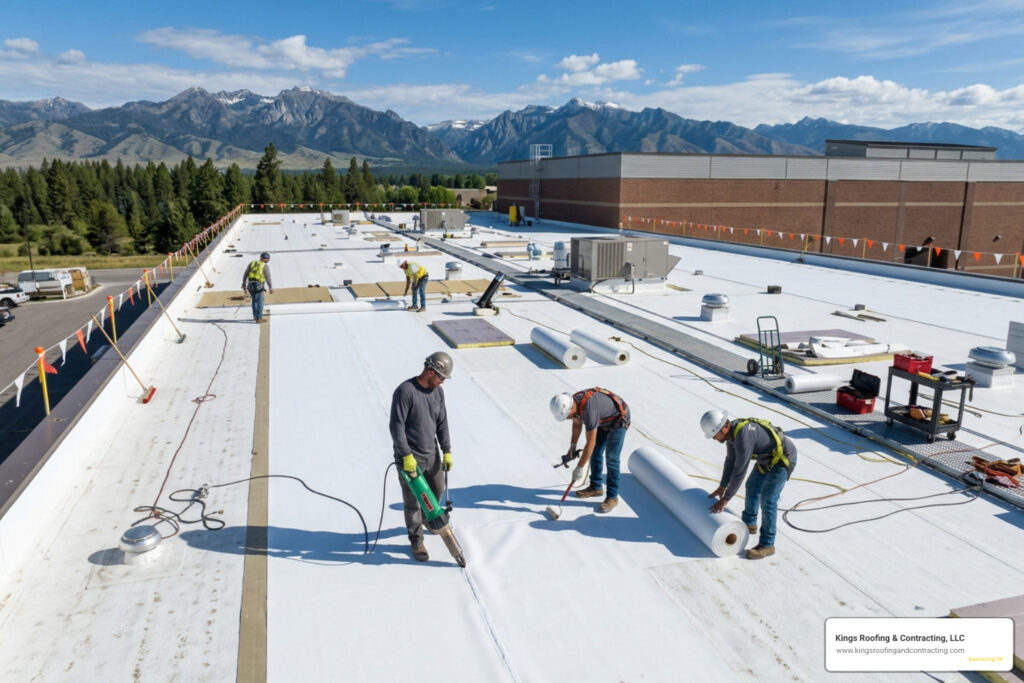
TPO is a single-ply reflective roofing membrane that has become the industry standard for flat commercial roofs. Installed in a single layer, its seams are fused using hot-air welding equipment, creating a bond that is actually stronger than the membrane itself. TPO’s bright white surface reflects UV radiation, keeping summer roof temperatures cool and significantly lowering your building’s cooling costs.
PVC (Polyvinyl Chloride)
PVC is another highly durable single-ply membrane with heat-welded seams. Its standout feature is its exceptional resistance to chemicals, fire, oils, and grease. PVC is the absolute best choice for restaurants (which vent kitchen grease onto the roof) and manufacturing facilities that release chemical exhaust.
EPDM (Ethylene Propylene Diene Monomer)
EPDM is a synthetic rubber membrane that has been used successfully for decades. It is highly resistant to weathering, ozone, and thermal shock, allowing it to expand and contract easily during Idaho’s rapid temperature swings. EPDM is available in both black (which absorbs heat to help melt winter snow) and white (which reflects summer heat).
If you are planning to upgrade or install a membrane system, it is vital to work with a certified expert in low-slope commercial roofing.
Metal and Steep-Slope Commercial Roofing Options
For commercial buildings with visible slopes, architectural features, or high snow-shedding requirements, metal and asphalt shingles are excellent options.
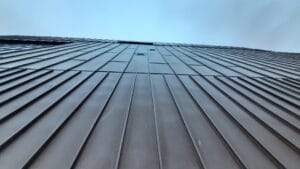
Metal Roofing Systems
Metal is a premium commercial roofing material that offers an unmatched lifespan of 30 to 50+ years. Standing seam metal roofs feature concealed fasteners, which eliminates the risk of leaks around screw holes. Metal is highly resistant to wind, hail, and fire, and its smooth surface allows heavy winter snow to slide off easily, preventing dangerous snow accumulation.
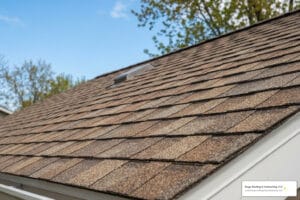
Commercial Asphalt Shingles
For steep-slope commercial properties like multi-family housing complexes, retail strip centers, or offices with pitched roofs, heavy-duty architectural asphalt shingles are highly cost-effective. Premium GAF or CertainTeed shingles, when installed by certified professionals, can last 30 to 50 years in Idaho’s climate. Standard architectural shingles typically last 20 to 30 years, while economy-grade shingles last 15 to 25 years.
Regardless of your material choice, a successful project starts with a professional, code-compliant roof installation.
How Idaho’s Climate Extremes Affect Commercial Roof Lifespan
Southwest Idaho is beautiful, but our weather is incredibly tough on commercial roofs. To ensure your roof lasts its full expected lifespan, your roofing system must be engineered to withstand four distinct climate challenges.
1. Extreme Temperature Swings and UV Radiation
During Idaho summers, roof surface temperatures can easily soar past 150°F. This intense heat and constant UV exposure accelerate the aging and shrinkage of low-quality membranes. Conversely, winter temperatures often drop below freezing. This dramatic expansion and contraction put immense stress on roof seams, flashings, and transitions.
2. Heavy Snow and Ice Dams
Heavy snow accumulation places significant structural weight on flat roofs. As building heat melts the bottom layer of snow, the water runs toward the cold roof edges and refreezes, forming ice dams. These ice dams trap water on the roof, leading to standing (ponding) water that can seep into seams and cause extensive interior damage.
3. High Winds and Uplift
Spring and summer storms in the Treasure Valley can bring powerful winds. High winds create low-pressure vacuums over flat roofs, leading to a phenomenon called “wind uplift.” If a membrane is not mechanically fastened or fully adhered to strict wind-rated standards, the wind can pull the membrane completely off the roof deck.
4. Hail Impact
Hail storms can puncture older, brittle membranes or crack asphalt shingles, leaving the underlying structure vulnerable to water infiltration. If your roof has suffered storm damage, it is critical to seek immediate, professional roof repair using high-quality materials from trusted manufacturers like GAF to preserve your roof’s warranty and structural integrity.
Proactive Maintenance and Inspection Programs
The single best way to maximize the lifespan of your commercial roof and protect your business is to establish a proactive, scheduled maintenance program. Studies consistently show that preventative maintenance costs a fraction of emergency repairs and premature roof replacements.
The Bi-Annual Inspection Schedule
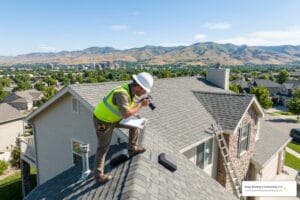
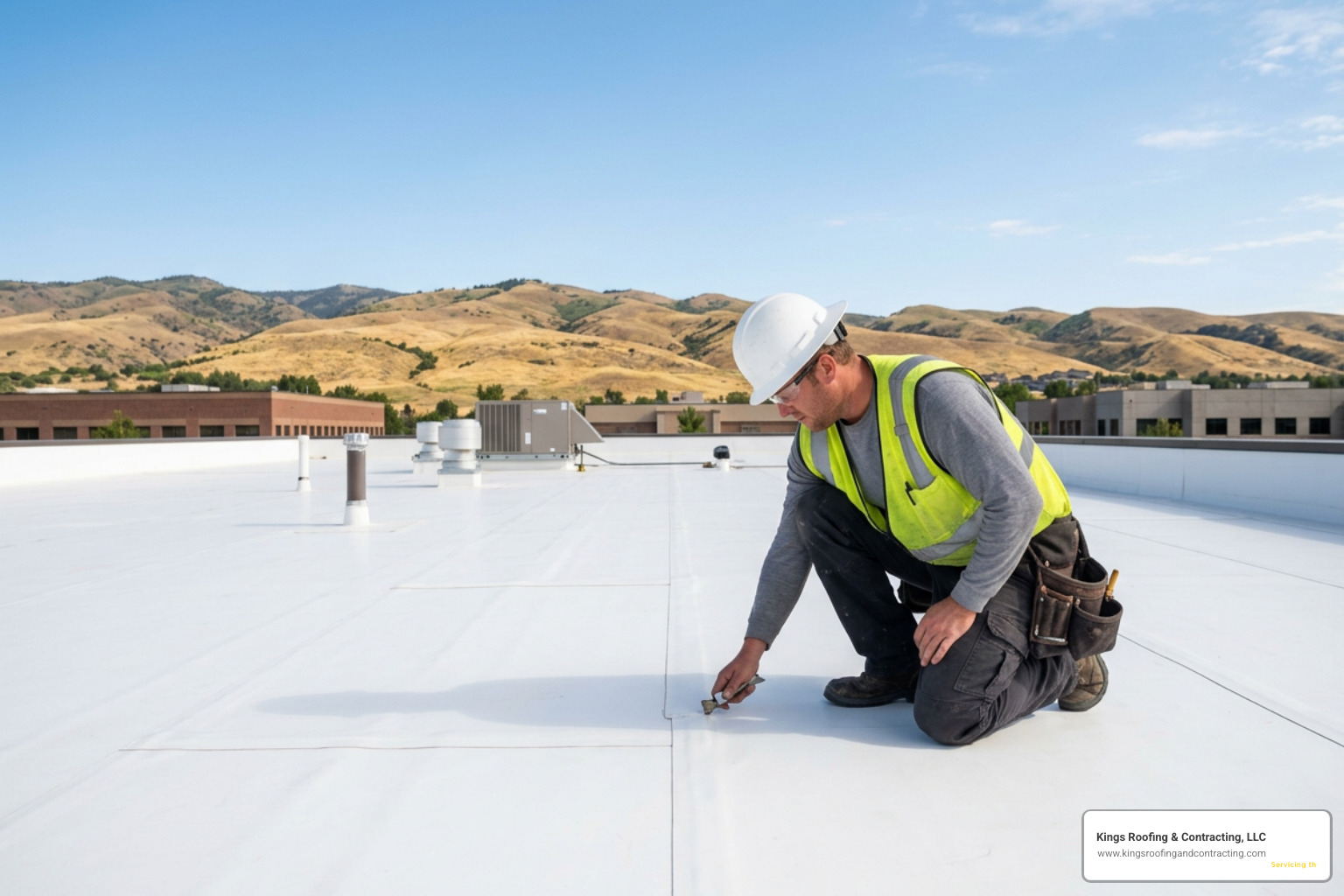
We strongly recommend scheduling professional commercial roof inspections at least twice a year:
- Spring Inspection (After Snowmelt): This check assesses any damage caused by winter freeze-thaw cycles, snow loads, or ice dams, ensuring your drainage systems are clear before spring rains arrive.
- Fall Inspection (Before Freeze-Thaw): This preparation check ensures your roof is fully sealed, drains are clear of autumn leaves, and any minor defects are repaired before snow and ice arrive.
What a Professional Maintenance Program Includes:
- Debris Removal: Clearing leaves, branches, and trash from the roof surface, gutters, scuppers, and drains to prevent water ponding.
- Seam and Flashing Audits: Inspecting heat-welded seams and metal flashings around HVAC units, pipes, and parapet walls for any signs of separation.
- Moisture Detection: Checking for soft spots or signs of trapped moisture beneath the membrane.
- Detailed Documentation: Providing a comprehensive written report with photos of any problem areas and clear repair recommendations.
To protect your building envelope, you should partner with a certified team for routine roof inspections and structured roof maintenance.
Partnering with a Commercial Roofer in Idaho USA for Emergency Repairs
When a severe storm hits or an unexpected leak develops, you need a commercial roofing partner who can respond immediately. A major leak can ruin inventory, damage sensitive electronics, and disrupt your business operations.
When evaluating a commercial roofer in Idaho USA, ensure they offer:
- 24/7 Emergency Dispatch: Dedicated crews ready to respond to active leaks, wind damage, or structural issues at any hour.
- Temporary Tarping and Mitigation: Fast action to stop water infiltration immediately, protecting your building’s interior while a permanent repair plan is formulated.
- Insurance Coordination: Direct assistance with documenting storm damage and coordinating with your insurance adjuster to streamline your claim.
At Kings Roofing & Contracting, we operate under our signature treasure valley commercial roofing no leak left behind promise, providing rapid-response emergency repairs to keep your operations running smoothly.
Repair vs. Replacement: Cost-Effective Decision Making
How do you know when it is time to stop patching your commercial roof and invest in a full replacement? Making the wrong choice can cost your business tens of thousands of dollars.
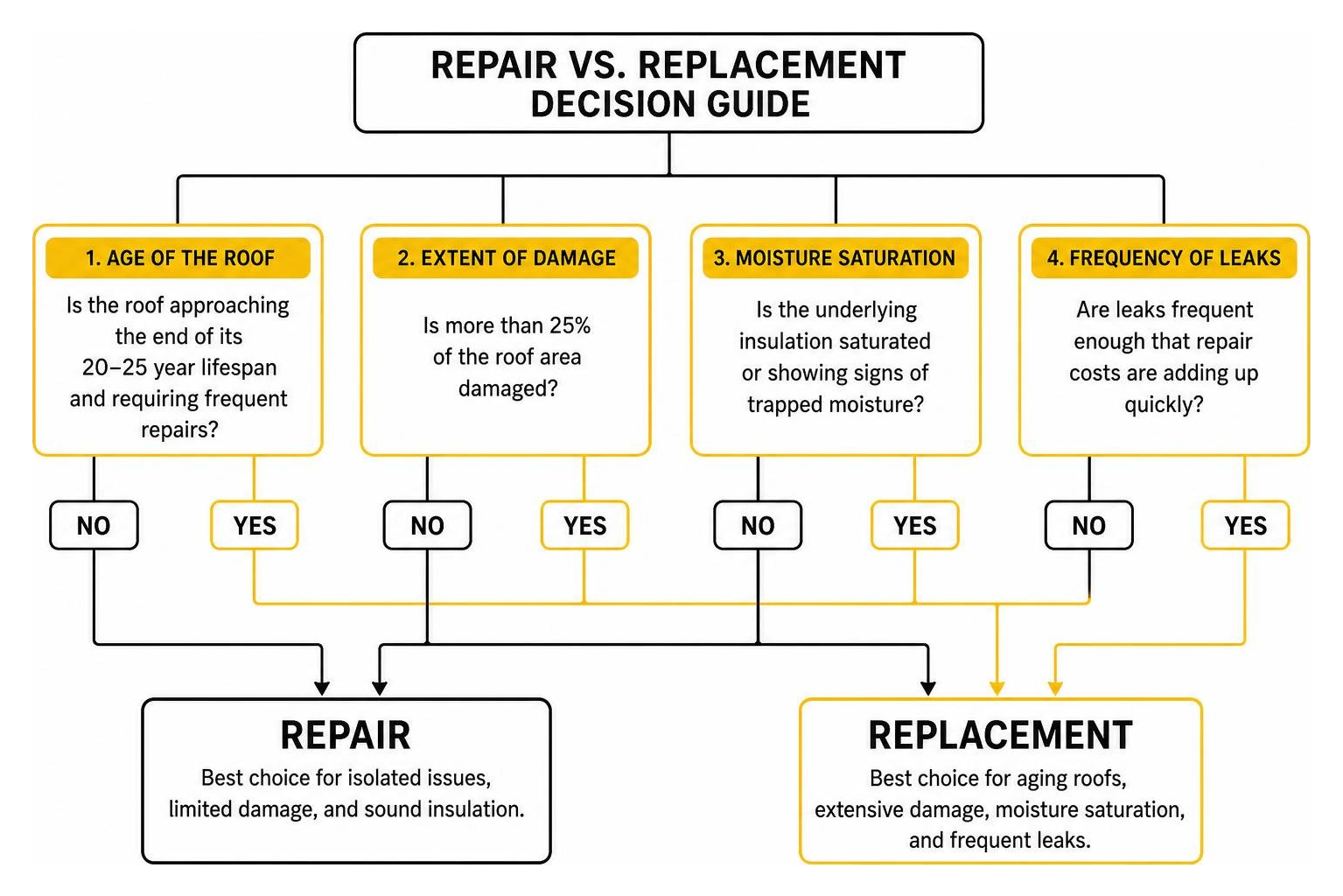
Key Factors to Consider:
- Age of the Roof: If your flat roof is approaching the end of its 20-to-25-year lifespan and requires frequent repairs, a full replacement is usually more cost-effective.
- Extent of Damage: If less than 25% of the roof is damaged, targeted repairs are generally the best choice. If damage exceeds 25%, a replacement is often required.
- Moisture Saturation: A professional moisture survey can determine if the underlying insulation is saturated. Saturated insulation loses its R-value and must be replaced to prevent structural rot and mold.
- Frequency of Leaks: If you are calling a roofer every time it rains, those repair bills add up quickly. A new roof provides predictable long-term costs.
The Power of Roof Coatings
If your roof is structurally sound but nearing the end of its design life, a fluid-applied silicone or acrylic roof coating can extend its lifespan by 10 to 15 years. Applied directly over your existing membrane, coatings seal all seams and cracks, creating a seamless, waterproof barrier at a fraction of the cost of a full tear-off.
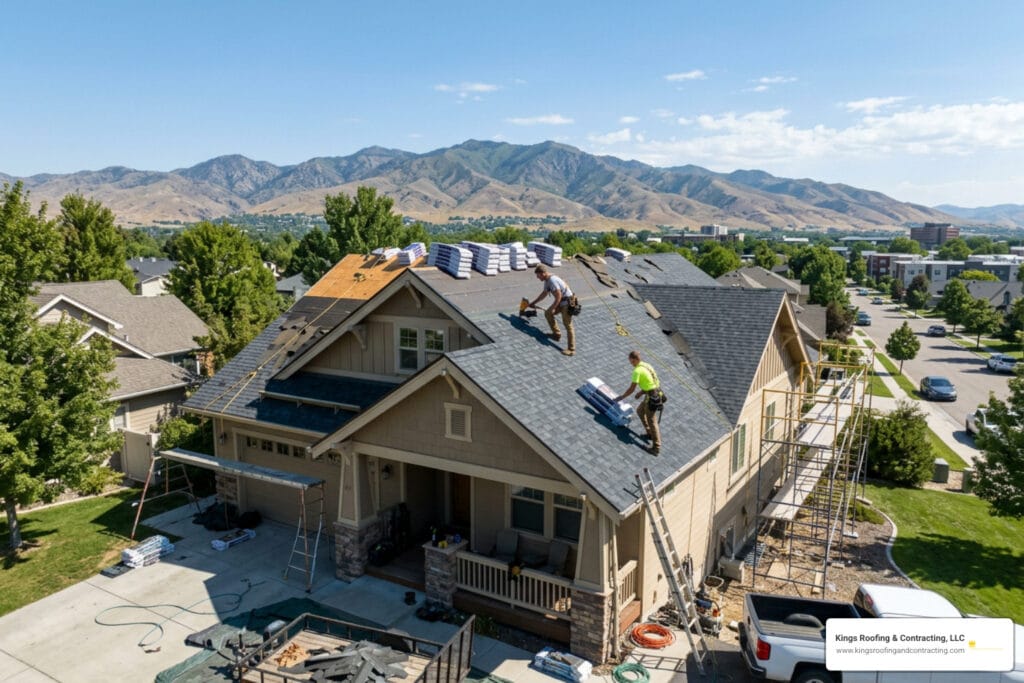
When repairs are no longer viable, a professional roof replacement is the safest way to protect your long-term real estate investment.
Frequently Asked Questions about Idaho Commercial Roofing
How long does a commercial roof installation take?
Most commercial roofing projects in the 5,000 to 20,000 square foot range are completed in 3 to 7 business days. The exact timeline depends on the building size, the complexity of the roof, the chosen material, and the weather.
To minimize disruption to your business operations, a professional commercial roofer will coordinate project timelines in advance, manage noise levels, and clean up the job site daily to ensure operational continuity for your staff and customers.
Are there energy-efficient commercial roofing options?
Yes, high-reflectivity “cool roofs” are exceptionally energy-efficient. White TPO and PVC single-ply membranes reflect up to 80% of solar radiation, reducing cooling costs during hot Idaho summers by up to 15%. Additionally, applying reflective silicone roof coatings can dramatically lower surface temperatures. These green roofing options can also help your building earn valuable LEED points and qualify for local energy rebates.
What warranties protect my commercial roofing investment?
Two primary warranties protect your commercial roofing investment:
- Manufacturer’s Warranty: This covers defects in the roofing materials. For elite certified installations, manufacturers offer No Dollar Limit (NDL) warranties, which cover 100% of the cost of parts and labor for up to 20 or 30 years.
- Workmanship Warranty: This is provided directly by your roofing contractor and covers any installation or labor errors. At Kings Roofing & Contracting, we stand behind our craftsmanship with robust warranties to ensure complete peace of mind.
Conclusion: Keep Your Business Covered with Kings Roofing & Contracting
Your commercial roof is the first line of defense protecting your inventory, equipment, employees, and customers. Protecting this critical asset requires partnering with a licensed, insured, and certified commercial roofer in Idaho USA who understands our local climate.
At Kings Roofing & Contracting, LLC, we bring decades of construction and roofing expertise to every commercial project. As a GAF-certified contractor, we provide transparent pricing, exceptional craftsmanship, and 24/7 emergency service across Boise, Meridian, Nampa, Caldwell, Eagle, Garden City, and Kuna.
Whether you need a rapid boise roof repair, a routine preventative maintenance check, or a complete flat roof replacement, our team is ready to deliver.
Don’t wait for the next storm to test your roof. Get in touch with us today for a completely free roof quote and let us help you keep your business covered.
Contact Us Today:
- Online: Visit our contact page to schedule an inspection.