Warning Signs and Root Causes of Roof Leaks in the Treasure Valley
To address an active roof leak in Garden City before emergency crews arrive, immediately contain interior water runoff, isolate electrical circuits near the intrusion, and relieve ceiling pressure by draining water bulges into buckets. Securing professional roof leak repair in Garden City follows this immediate containment with certified diagnostics to locate hidden entry points and repair damaged roof decking before rot spreads.
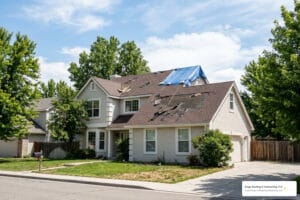
Roof leaks across the Treasure Valley stem directly from intense high-desert environmental stressors, mechanical wear around roof penetrations, and sudden seasonal shifts. High-desert weather cycles accelerate the physical breakdown of critical roofing components:
- Spring Windstorms: Gusts exceeding 50 mph sweep across Ada County, lifting aged shingle tabs, breaking the thermal sealant bond, and exposing vulnerable fastener lines.
- Rapid Freeze-Thaw Cycles: Treasure Valley winters regularly fluctuate above and below freezing within a single 24-hour window, causing trapped moisture in small crevices to expand, fracture seals, and widen structural gaps.
- Cracked Pipe Boots: Intense summer ultraviolet (UV) radiation bakes neoprene and rubber plumbing vent collars, rendering them brittle and cracked within 7 to 10 years.
- Compromised Valleys: High-volume runoff channels wear away mineral granules on asphalt shingles and stress valley flashing joints, creating easy paths for water ingress.

Identifying Hidden Water Intrusion in Attics and Ceilings
Water rarely travels in a straight vertical line from the roof penetration to your living space. Moisture navigates along trusses, electrical conduits, and horizontal rafters before accumulating and dripping through the lowest point in a ceiling.
Homeowners should monitor their living spaces and attic cavities for subtle indicators of active moisture intrusion:
- Ceiling Discoloration and Rings: Yellow, brown, or copper rings on drywall indicate recurring, intermittent water entry that dries and rewets during successive storms.
- Peeling Paint and Bubbling Drywall: Moisture trapped behind latex paint creates bulging water blisters and causes tape seams along drywall joints to separate.
- Saturated Attic Insulation: Blown-in fiberglass or cellulose compresses and mats down when wet, losing its thermal resistance (R-value) and harboring moisture against ceiling joists.
- Warped Roof Decking: Plywood or oriented strand board (OSB) sheathing swells, delaminates, and sags under chronic moisture exposure, compromising the structural deck.
- Persistent Musty Odors: Lingering damp smells in upper-level rooms or attic spaces point directly to active microbial growth resulting from unaddressed water pockets.
Local Climate Threats: Ice Dams and Temperature Swings
Treasure Valley winters present a continuous battle against snow loads and eave ice dams. An ice dam forms when warm air escapes from living spaces into an under-insulated attic, warming the upper roof deck. This heat melts the underside of the snowpack, sending liquid water down the roof slope until it reaches the cold eave overhang.
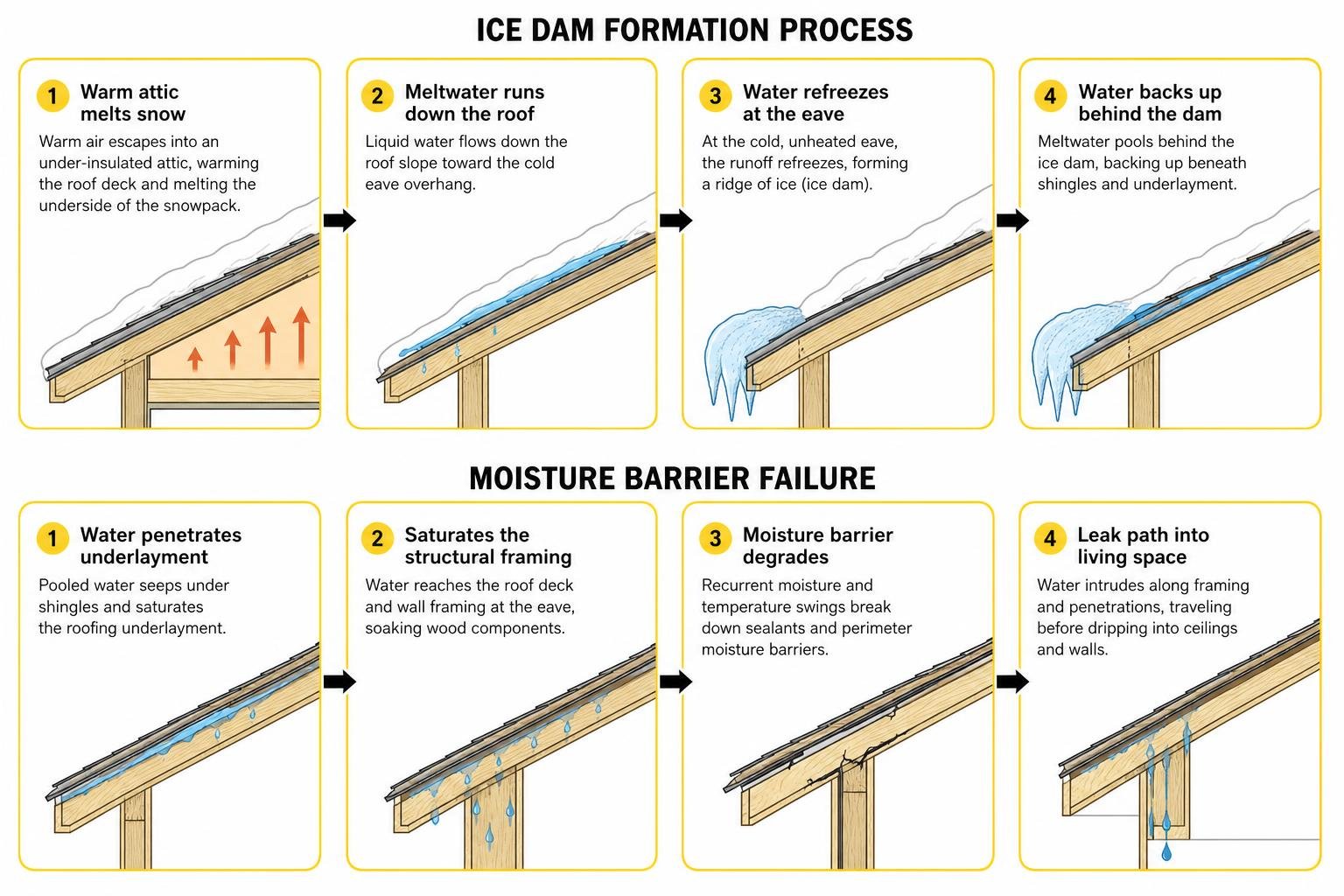
At the unheated eave, the runoff refreezes into a solid ridge of ice. Subsequent meltwater pools behind this ice barrier, backing up beneath shingles, soaking the underlayment, and saturating the structural wall framing below. High-desert temperature swings—frequently shifting 40 degrees Fahrenheit between midday sun and sub-freezing nights—magnify this thermal expansion, degrading sealants and causing perimeter moisture barrier failure.
Immediate Triage: What to Do Before Professional Help Arrives

When water enters your home, rapid interior triage limits structural degradation and prevents electrical hazards until our technicians arrive on-site. Taking immediate safety measures protects your property and establishes an organized record for insurance adjusters. FEMA also recommends routine roof inspections and prompt repairs as part of reducing roof-damage risk before severe weather escalates minor weaknesses into bigger failures.
Treat these as immediate safety priorities when you discover active dripping:
- Isolate Electrical Systems: If water penetrates near light fixtures, ceiling fans, or wall outlets, shut off power to those circuits at the main breaker box only if the panel can be reached from a dry, safe location.
- Capture Active Runoff: Place heavy-duty buckets, storage bins, or waterproof tarps beneath the drip. A towel at the bottom of a bucket reduces splashing and keeps water contained.
- Avoid Ceiling Collapse Zones: Sagging or bubbling drywall signals stored water weight above the ceiling surface. Keep people and pets away from the area and alert the responding roofing or restoration crew so pressure can be relieved safely.
- Protect Household Contents: Clear furniture, electronics, and rugs away from the affected room, or cover stationary items with poly sheeting.
- Document the Event: Capture clear, high-resolution photographs and video footage of the active leak, damaged drywall, wet attic insulation, and affected belongings before drying out the area.
Review FEMA’s guidance on how homeowners can minimize roof-damage risks before severe weather, then review our guide on Emergency Storm Damage Roof Repair in Boise: A Definitive Guide for comprehensive insights into handling severe storm events.
DIY Temporary Mitigation vs Professional Restoration
While placing buckets or covering indoor furnishings prevents localized interior damage, attempting exterior roof repairs without proper fall-arrest systems and technical training introduces severe safety risks and often worsens the problem.
Temporary topical sealants like silicone caulk or roofing tar applied over wet, granular surfaces fail to create an impermeable seal. These adhesives trap moisture against the wooden roof deck, accelerating rot while masking the true path of water intrusion. Furthermore, navigating steep pitches or icy shingles during an active weather event presents life-threatening fall hazards.
Permanent restoration requires certified technicians who isolate the root cause, remove damaged underlayment, replace decayed decking, and integrate new flashing systems seamlessly into the existing architectural roof line.
The Professional Process for Roof Leak Repair Garden City Residents Rely On

Professional restoration follows an engineered, methodical approach designed to return your roof to its original manufacturer-specified integrity. We do not rely on surface patches; we dismantle the compromised area down to the substrate to guarantee watertight performance.
| Repair Category | Typical Scope of Work | Structural Impact | Estimated Project Timeline | Ada County Permit Required? |
|---|---|---|---|---|
| Minor Flashing / Seal Repair | Vent pipe boot replacement, step flashing resealing, minor shingle tab replacement | Surface waterproofing layer only; deck remains solid | 2 – 4 Hours | No |
| Moderate Valley & Penetration Repair | Valley lining replacement, chimney flashing overhaul, multi-square underlayment repair | Localized underlayment degradation; minor wood surface drying | 4 – 8 Hours (1 Day) | No |
| Major Structural Deck Repair | Rotted OSB/plywood deck removal, rafter sistering, structural flashing rebuild | Load-bearing sheathing failure, widespread moisture migration | 1 – 2 Days | Yes (for structural deck/framing changes) |
When structural decking, framing, or extensive sections of a roof system require replacement, our team ensures all work complies strictly with local building safety codes and secures required Ada County building permits.
Professional Detection and Roof Leak Repair Garden City Diagnostic Steps
Accurate diagnostic detection eliminates guesswork, identifying hidden entry points that evade visual inspection alone.
Our diagnostic sequence utilizes advanced diagnostic tools and testing:
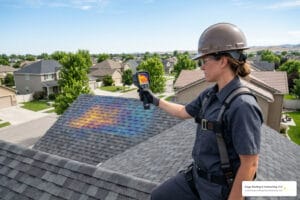
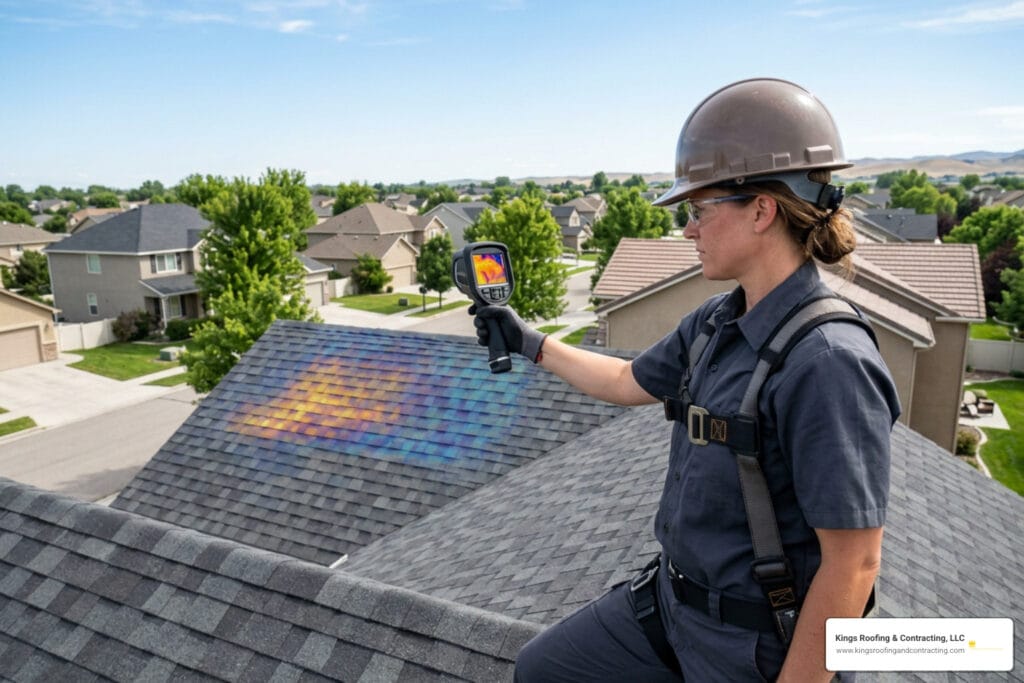
- Infrared Thermal Imaging: High-resolution thermal cameras detect temperature anomalies across ceiling assemblies and roof decks, pinpointing pockets of evaporative cooling caused by trapped moisture.
- Moisture Meter Analysis: Non-invasive deep-probe electronic moisture meters quantify saturation levels within attic framing, insulation, and sub-roof sheathing.
- Attic Rafter Tracing: Technicians access the attic cavity to trace mineral tracking, rust streaks along framing nails, and mold trails directly from the interior penetration to the exterior opening.
- Systematic Water Isolation Tests: In dry conditions, controlled, low-pressure water application to specific roof components isolated from bottom to top confirms the exact point of failure.
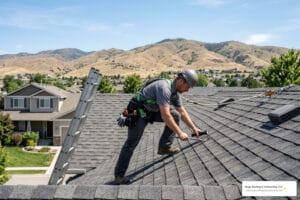
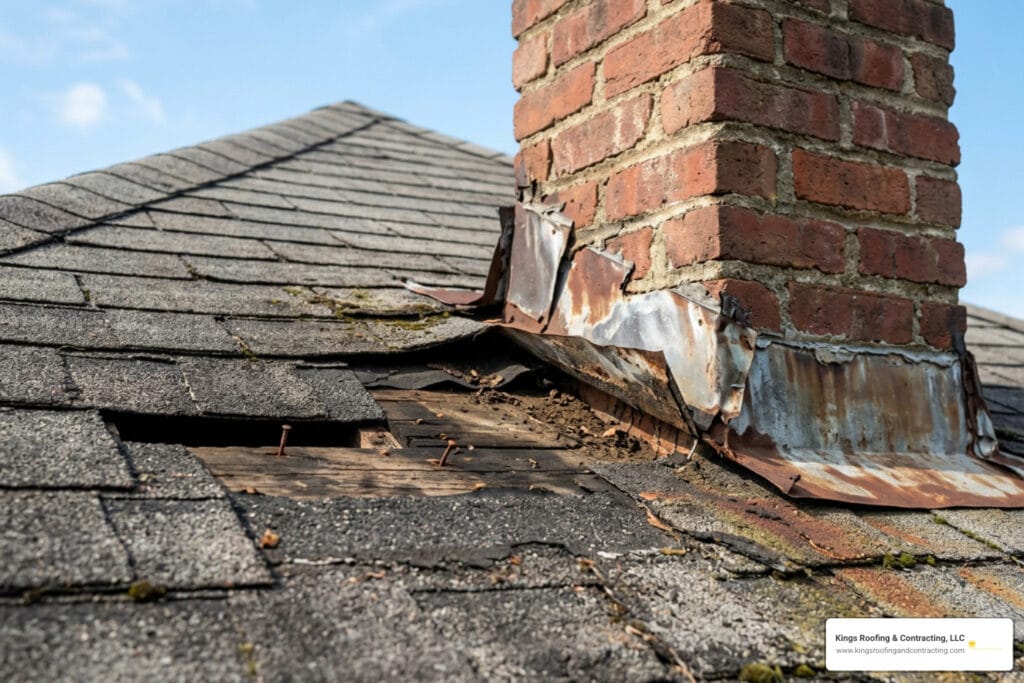
- Flashing and Penetration Disassembly: Technicians lift adjacent shingle courses to inspect base flashing, step tins, kickout diverters, and underlayment integrity around chimneys, skylights, and side walls.
Estimating Costs for Roof Leak Repair Garden City Projects
The total investment required to restore a leaking roof depends on the physical accessibility of the roof, the pitch, the extent of structural deck degradation, and the specific materials involved.
Minor repairs—such as resealing a pipe boot, securing loose step flashing, or replacing individual wind-damaged architectural shingles—typically range from $300 to $850. Moderate repairs involving valley overhauls, skylight re-flashing, or localized underlayment replacement fall between $850 and $1,800.
Major repairs requiring structural deck replacement, rafter reinforcement, or extensive water mitigation run from $1,800 to $3,500+. If structural restoration or storm damage qualifies for an insurance claim, we generate detailed line-item documentation to support your adjuster’s assessment, ensuring your policy covers all necessary structural repairs beyond your deductible.
Frequently Asked Questions About Roof Leaks in Garden City
How do I locate the exact entry point of a roof leak?
Water follows gravity along the path of least resistance. Liquid routinely penetrates a broken seal high on the roof slope, travels down the top edge of a rafter board, runs horizontally across a ceiling joist, and pools in a low spot on the drywall feet away from the initial opening.
To locate the exterior entry point, inspect the roof surface up-slope from the interior water mark. Focus your search on roof penetrations, such as plumbing vents, chimney flashings, skylight frames, roof valleys, and missing or cracked shingle tabs located above the damaged drywall area.
Will homeowners insurance cover my roof leak repair?
Homeowners insurance policies typically cover roof repairs caused by sudden, accidental, and unpreventable physical events. Qualifying incidents include windstorms tearing off shingles, hail impacting roof surfaces, or falling tree limbs puncturing decking.
Insurance policies generally exclude coverage for gradual leaks resulting from routine wear and tear, deferred maintenance, aging sealants, or long-term neglect. Promptly documenting the storm damage with date-stamped photos and scheduling an assessment ensures your claim meets carrier documentation criteria.
How can I prevent recurring roof leaks in our climate?
Preventing recurring moisture damage requires scheduled maintenance tailored to high-desert and sub-freezing seasonal extremes. Clear pine needles, leaves, and debris from roof valleys and gutter systems every spring and autumn to maintain unobstructed water flow.
Ensure your attic maintains adequate soffit-to-ridge ventilation to equalize temperatures across the roof deck, preventing winter ice dams. During re-roofing projects, install self-adhering ice-and-water shield membranes along all eaves, valleys, and wall transitions to create a secondary barrier against wind-driven precipitation.
Conclusion
Overlooking minor leaks leads directly to rotted structural decking, contaminated insulation, electrical hazards, and costly interior restoration. Kings Roofing & Contracting, LLC provides fast, reliable diagnostics and permanent, GAF-certified repairs across Garden City, Boise, Meridian, Nampa, Caldwell, and Eagle.
Our experienced crews stand ready with 24/7 emergency response, transparent pricing, and comprehensive warranties that protect your home against high-desert temperature swings and winter snow loads. If you notice signs of water intrusion or need professional Roof Repair, contact our team today to schedule a detailed inspection and protect your home.