What Is Roof Coating — and Why It Matters for Your Roof
A roof coating is a liquid-applied membrane that bonds directly to your existing roof surface, creating a seamless, weatherproof barrier that extends roof life and cuts energy costs — without a full tear-off. At Kings Roofing & Contracting, LLC, we provide premier professional roofing services throughout Boise and the Treasure Valley to help property owners protect their investments with premium liquid membrane solutions.
Quick answers:
- What it does: Protects your roof from UV rays, water damage, and thermal stress
- Who it’s for: Homeowners and building owners with structurally sound roofs showing early wear
- Key benefit: Can reduce HVAC energy use by up to 50% and reflect 90%+ of the sun’s rays
- Cost advantage: Significantly less expensive than full roof replacement
- Best roof types: Flat, low-slope, metal, TPO, EPDM, modified bitumen, and more
- Certifications to look for: ENERGY STAR, CRRC, Title 24
If your roof is leaking after a storm, running up your energy bills, or just looking worn — you’re probably wondering whether you need a full replacement or if there’s a smarter, more affordable fix. For millions of homeowners and commercial property owners, roof coating is exactly that fix.
Roof coatings are designed to protect and extend the useful life of existing roof systems, and according to the Roof Coatings Manufacturers Association (RCMA), they are the most effective and least costly option to help buildings save energy and enhance sustainability. That’s a bold claim — and the data backs it up.
Whether you’re dealing with minor leaks, heat gain through a flat roof, or simply want to get more years out of your current system before committing to a full replacement, this guide covers everything you need to know. From coating types and application methods to energy savings, certifications, and when to call a professional roofing contractor, you’ll have a clear picture by the end.
I’m Ryan Santoro, owner of Kings Roofing & Contracting LLC, and with 24 years of hands-on construction experience across residential and commercial roofing systems, I’ve seen how the right roof coating can add years of life to a roof that most people would assume needs full replacement. In this guide, I’ll share what I’ve learned working with coating systems across flat roofs, metal roofs, and low-slope systems throughout the Treasure Valley.
What is a Roof Coating and How Does It Work?
A roof coating is a specialized, fully adhered, liquid-applied protective membrane. Unlike standard paint, which is thin and rigid, a high-quality coating is formulated with elastic polymers that allow it to stretch and contract. When applied, it cures into a monolithic, seamless barrier that seals the entire roof surface, including vulnerable areas like seams, vents, flashings, and joints.
This seamless barrier is crucial for weatherproofing. Traditional roofing systems rely on overlapping sheets or shingles, which naturally create seams. Over time, wind, rain, and thermal movement cause these seams to separate, creating prime opportunities for water intrusion. A liquid membrane eliminates these seams entirely, wrapping the roof in a continuous, watertight glove.
By sealing microscopic cracks and porous materials, coatings prevent moisture from reaching the underlying deck. This represents a fundamental shift in how we approach proactive roof maintenance. Instead of waiting for a leak to occur and then patching the damage, applying a protective coating stops the water before it ever penetrates the outer layer.
How Liquid Membranes Extend Roof Lifespan
Liquid membranes extend a roof’s lifespan by shielding it from its three greatest enemies: ultraviolet (UV) radiation, thermal expansion, and water damage.
- UV Protection: The sun’s UV rays degrade roofing materials through a process called photo-oxidation. This causes asphalt shingles to become brittle, single-ply membranes to crack, and metal coatings to chalk and rust. Reflective roof coatings bounce these harmful rays away from the building, preserving the underlying structural materials.
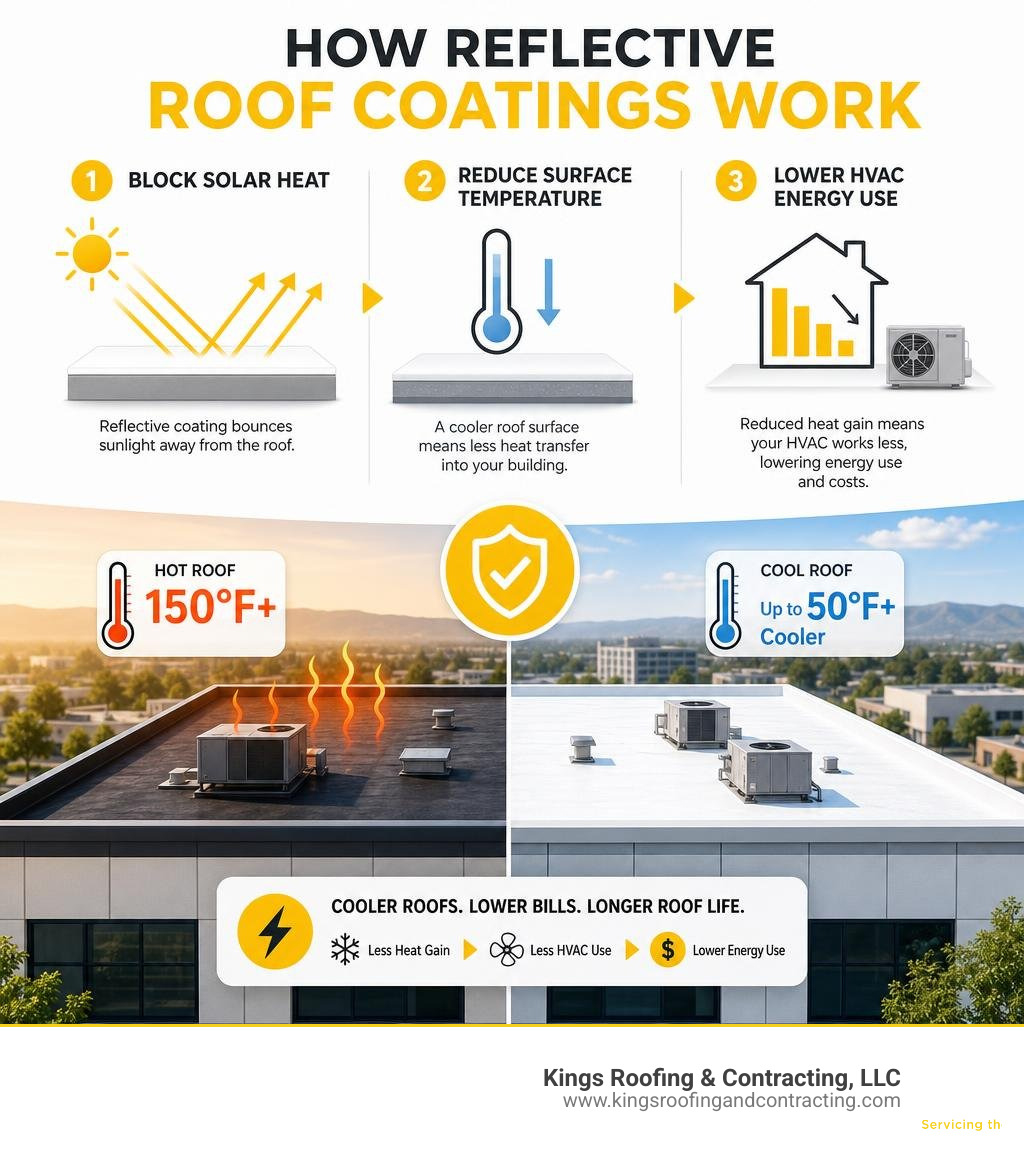
- Mitigating Thermal Expansion: Roofs experience severe thermal shock every day. In the hot Idaho summers, roof surface temperatures can soar to 150°F or higher during the day and drop rapidly at night. This rapid temperature swing causes roofing materials to expand and contract violently, pulling at fasteners and weakening seams. Reflective coatings keep roof surface temperatures stable, minimizing this destructive movement.
- Continuous Waterproofing: By forming an elastic, rubber-like blanket, the coating seals existing hairline cracks and moves dynamically with the building. If you want to keep your building dry and avoid premature degradation, investing in high-performance liquid membranes is one of the most reliable decisions you can make. To explore how these coatings fit into your overall property care plan, check out our comprehensive range of roofing services.
Key Types of Coatings and Their Best Use Cases
Choosing the right roof coating requires matching the coating’s chemistry to your specific roof substrate, slope, and environmental exposure. The most common commercial and residential coatings are silicone, acrylic, and polyurethane.
| Coating Type | Key Strengths | Best Use Cases | Ponding Water Tolerance | Relative Cost |
|---|---|---|---|---|
| Silicone | Outstanding water resistance, UV stable, does not chalk | Flat roofs, TPO/EPDM, areas with ponding water | Excellent | High |
| Acrylic | Highly breathable, easy to apply, cost-effective | Metal roofs, sloped roofs, masonry, concrete | Poor | Moderate |
| Polyurethane | Extremely durable, high impact resistance, walkable | High-traffic roofs, areas prone to hail | Good | High |
Silicone Coating Systems
Silicone roof coatings are the gold standard for flat roofs and low-slope systems prone to ponding water. Unlike water-based coatings, silicone is moisture-cured and completely hydrophobic. This means it will not break down, soften, or lose adhesion even when submerged under standing water for extended periods.
Additionally, silicone coatings offer exceptional UV resistance. They do not degrade or become brittle under intense sunlight, making them highly durable in high-exposure environments. For property owners seeking a long-term, ultra-reliable waterproofing solution, products like the Liquid Rubber Silicone Roof Coating offer premium, high-solids protection that creates a thick, flexible membrane in a single coat.
Acrylic and Elastomeric Formulations
Acrylic coatings are water-based, highly breathable, and incredibly cost-effective. Their elastomeric properties allow them to expand and contract dynamically with temperature swings, making them highly popular for metal and sloped roofing systems.
Because they are water-based, acrylics are easy to apply and clean up, and they feature very low VOC levels. However, they are not designed for flat roofs where water ponds, as standing water will cause the cured acrylic membrane to re-emulsify and peel. When selecting an acrylic, look for products certified to meet the ASTM D 6083 standard, which regulates the physical properties of liquid-applied acrylic coatings used in roofing. A prime example of a compliant, high-performance option is the Solargard® 6083 | Tremco system, which offers excellent low-temperature flexibility and dirt pick-up resistance.
Asphalt and Polyurethane Options
For heavy-duty applications, asphalt emulsions and polyurethane coatings offer unmatched physical strength. Polyurethane coatings are highly resistant to mechanical wear, impact, and chemicals, making them the ideal choice for roofs with heavy foot traffic, mechanical equipment, or areas prone to hail damage.
Asphalt emulsions serve as excellent, economical base coats for built-up roofing (BUR) and modified bitumen systems, filling in deep cracks and restoring weathered asphalt. When paired with high-performance topcoats, they create a robust, multi-layered shield. For advanced commercial projects, specialized solutions like the ICE Coating | Tremco leverage nanotechnology-engineered polymers to deliver an asbestos-free, high-solids elastomeric barrier with superior structural durability.
Coating Systems vs. Traditional Roof Replacement
Property owners often assume that a worn, leaking roof must be torn off and replaced. However, restoring a structurally sound roof with a high-performance coating system is often a much smarter financial and environmental decision.

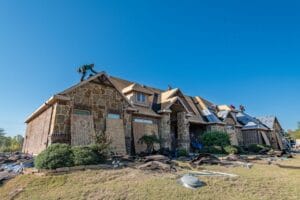
A full tear-off and replacement is a major construction project. It involves heavy labor, significant facility disruption, and thousands of pounds of roofing waste sent directly to local Idaho landfills. In contrast, a roof coating restoration is applied directly over the existing roof, eliminating tear-off costs and landfill fees while cutting project timelines by up to 70%. If your underlying roof structure is dry and stable, choosing a restoration over a full roof replacement can save you 50% to 70% in total project costs.
When to Choose Restoration
Roof restoration is the ideal choice when your current roofing system is structurally sound but reaching the end of its design life. If you are experiencing minor, localized leaks, weathered seams, or surface chalking, a liquid-applied membrane can completely revitalize the system.
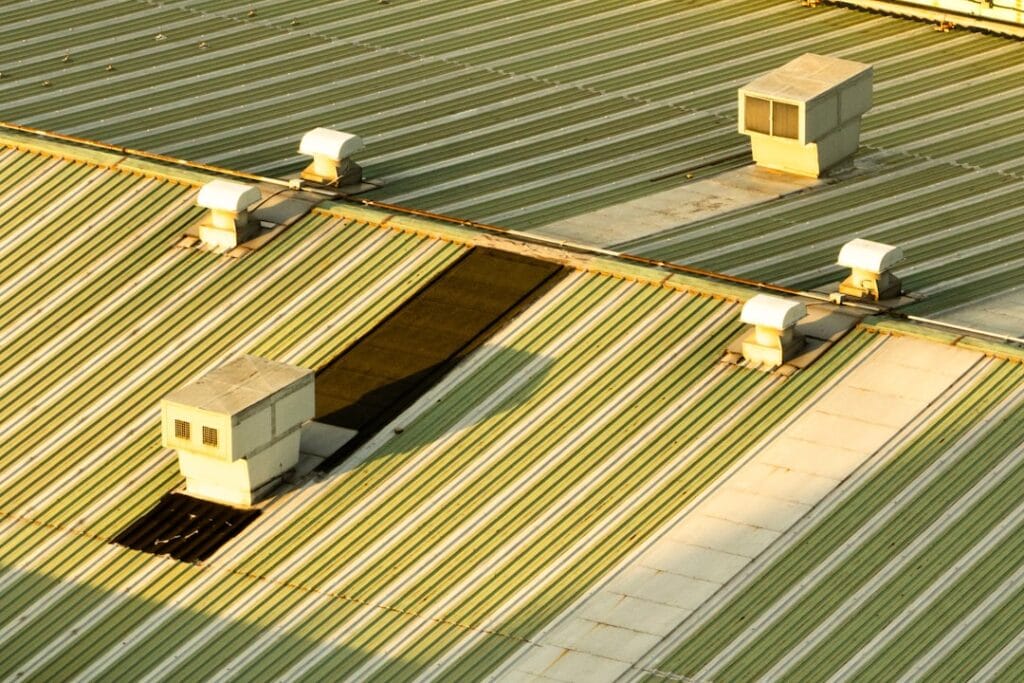
This approach is highly effective for low-slope commercial buildings and flat residential structures. To learn more about how we restore and seal these specific shapes, explore our specialized solutions for flat roof systems.
When a Full Replacement is Necessary
While coatings are highly effective, they are not a magic cure for a failing structure. You cannot coat over a roof that has lost its structural integrity.
A full replacement is required if:
- The roof deck is rotted, sagging, or structurally compromised.
- Large areas of the roof insulation are wet or saturated (water trapped under a coating will vaporize in the sun, causing the coating to blister and fail).
- The existing roofing material is severely buckled, torn, or detached from the deck.
For residential properties with extensive structural degradation, a full teardown and rebuild is the only safe option. You can read more about our structural standards on our residential roofing page.
Energy Savings and Environmental Benefits
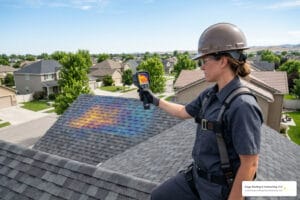
One of the most immediate financial returns on a roof coating project comes from reduced energy bills. Standard dark-colored roofs absorb up to 90% of the sun’s heat, transferring that thermal energy directly into the building’s interior and forcing HVAC systems to work overtime.
By contrast, “cool roof” coatings reflect the vast majority of solar radiation. Highly reflective options, such as the Cool Roof Coat | CRRC-Rated Ceramic Roof Coating | NanoTech, can cut HVAC energy use by up to 50% by acting as a highly efficient thermal barrier. This massive drop in energy consumption directly lowers your monthly utility bills and reduces wear and tear on your heating and cooling equipment.
The Environmental Benefits of a Reflective Roof Coating
Beyond direct financial savings, reflective coatings play a critical role in reducing carbon emissions. By lowering the demand on the local electrical grid during peak summer afternoons, coated roofs help lower greenhouse gas emissions from power plants.
Furthermore, widespread adoption of reflective surfaces helps combat the “Urban Heat Island” effect—a phenomenon where built-up city centers experience significantly higher temperatures than surrounding rural areas. To see how cool roofing fits into larger building designs, check out our dedicated section on commercial roofing systems.
Building Codes and Green Certifications
Modern building codes heavily incentivize or mandate the use of reflective roofing. When selecting a coating, look for these key industry standards and certifications:
- Cool Roof Rating Council (CRRC): The CRRC independently tests and rates the solar reflectance and thermal emittance of roofing products.
- Title 24 Compliance: California’s Title 24 standards set strict energy efficiency benchmarks that many other states, including Idaho, reference for modern commercial construction.
- ENERGY STAR: While ENERGY STAR certified roofing standards remain a popular benchmark in the US, always verify current local building code compliance with a certified contractor.
- RCMA Standards: The Roof Coatings Manufacturers Association ensures that member products meet strict quality, safety, and performance standards.
Application Methods and Surface Preparation
The performance of any liquid membrane is 90% dependent on the quality of the surface preparation. You cannot apply a premium coating over dirt, grease, or loose debris and expect it to adhere.
The standard professional installation process includes:
- Thorough Cleaning: Power washing the roof with specialized biodegradable detergents to remove mold, algae, oils, and dirt.
- Adhesion Testing: Performing a field adhesion test to ensure the coating chemistry bonds securely to the specific substrate.
- Seam and Flashing Detail: Reinforcing all joints, seams, penetrations, and flashings with heavy-duty polyester fabric mesh or specialized seam tape embedded in a thick layer of mastic.
- Priming (If Required): Applying a dedicated primer to prevent asphalt oils from bleeding through or to guarantee adhesion on challenging single-ply membranes.
- Uniform Application: Applying the liquid membrane using professional-grade airless sprayers or heavy-nap rollers to achieve a consistent, specified dry mil thickness.
Choosing the Right Roof Coating for Your Property
Different roofing substrates require highly specific chemical formulations:
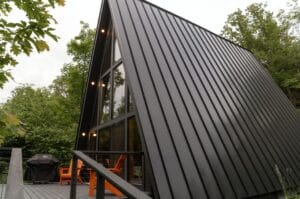
- Metal Roofs: Benefit most from elastomeric acrylics or silicones with built-in rust inhibitors to prevent corrosion. Learn more about metal systems on our metal roofing page.
- Single-Ply Membranes (TPO, EPDM, PVC): Typically require a specialized primer to ensure the silicone or acrylic topcoat bonds securely to the smooth synthetic surface.
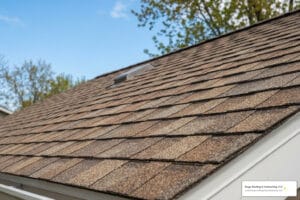
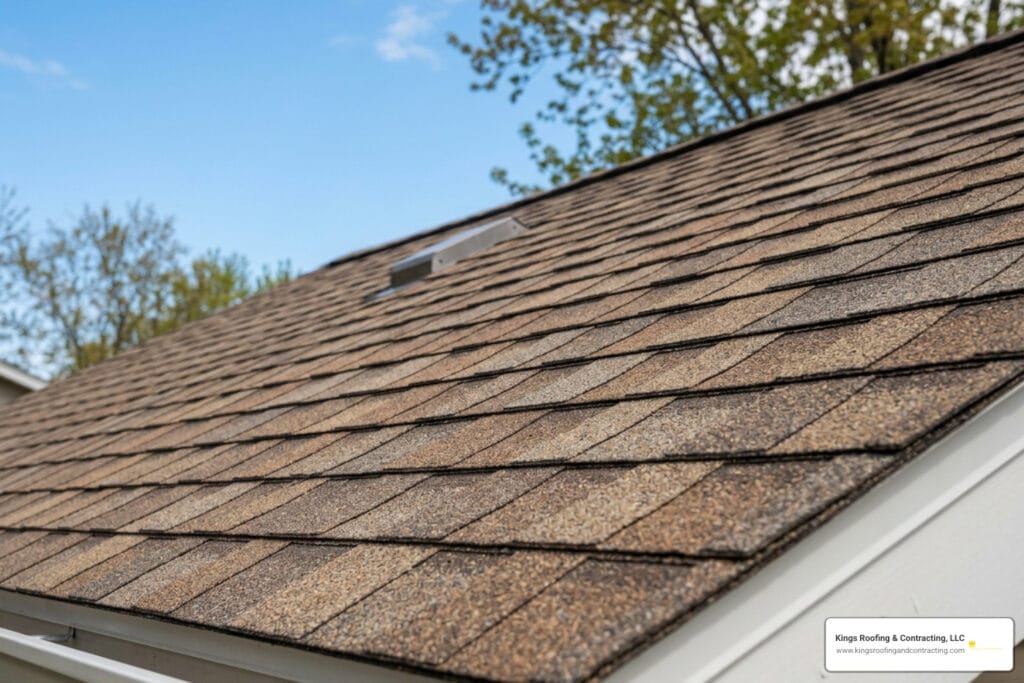
- Asphalt Shingles: Are generally not good candidates for standard elastomeric coatings, as sealing them completely can trap moisture underneath and rot the wood decking.
Professional Installation vs. DIY Application
While small DIY kits exist for minor repairs on RVs or small sheds, coating a commercial or residential roof should be left to certified professionals.
Achieving the correct dry mil thickness is critical. If a coating is applied too thin, it will wear out prematurely and fail to waterproof. If applied too thick, it can skin over and trap uncured liquid underneath, leading to mud-cracking and peeling. Furthermore, manufacturer warranties—which can extend up to 10, 15, or 20 years—are only issued when the product is applied by an approved, certified contractor who follows strict application protocols. To learn about our high-quality material standards, visit our asphalt shingle roofing page.
Frequently Asked Questions
How long does a liquid-applied membrane last?
A professionally applied liquid membrane typically lasts between 10 and 20 years, depending on the volume of solids applied and the specific chemistry used. One of the greatest advantages of this system is that it is fully renewable. Once the original coating begins to wear thin after a decade or more, the roof can simply be cleaned, primed, and re-coated with a thin topcoat, adding another 10 to 15 years of life without ever needing a tear-off. To keep your system in top shape, check out our roof maintenance checklist: everything you need to inspect regularly.
Can you apply elastomeric sealants over shingles?
No, you should not apply solid elastomeric sealants over standard residential asphalt shingles. Shingles are designed to overlap and “breathe” to shed water dynamically. Sealing them with a continuous liquid membrane can trap moisture behind the shingles, leading to severe deck rot, mold growth, and premature structural failure. If your shingled roof is leaking, it is best to consult a professional to discuss targeted repairs or replacement options.
What is the average cost of restoration?
The average cost of a roof coating restoration typically ranges from $2.00 to $5.50 per square foot, depending on the size of the roof, the amount of prep work required, the coating material selected (silicone vs. acrylic), and accessibility. This represents a massive savings compared to a traditional roof tear-off and replacement, which easily averages $6.00 to $12.00+ per square foot for low-slope and commercial systems.
Conclusion
Restoring your roof with a high-performance roof coating is one of the smartest, most cost-effective decisions you can make for your property. By turning your roof into a seamless, reflective shield, you can stop leaks, drastically lower your energy bills, and add decades of reliable life to your existing structure—all while avoiding the immense cost and hassle of a full tear-off.
At Kings Roofing & Contracting, LLC, we bring 24 years of trusted experience to every project across Boise, Meridian, Nampa, Caldwell, Eagle, Garden City, and Kuna. We specialize in helping property owners find the perfect restoration or repair solution for their budget and building type.
Whether you need a commercial silicone system or a residential Boise roof repair, our team is ready to deliver GAF-certified workmanship with complete transparency.
Don’t wait for a small leak to turn into a major structural headache. Contact us for a free roof quote today to schedule your professional roof inspection!