Find Budget-Smart Commercial Roofing in Boise
The best way to hire for commercial roofing Idaho projects on a budget is to compare detailed, like-for-like bids from qualified local contractors, choose a system built for Treasure Valley weather, and prioritize repairs or restoration when the roof structure is still sound. Ask each contractor to separate material, labor, tear-off, drainage, permit, and warranty costs so the lowest price does not become the most expensive choice later.
In Boise and across the Treasure Valley, a commercial roof must handle snow load and ice dams, high-desert UV exposure, wide temperature swings, spring wind, and rain. About 70% of Idaho commercial roofs are low-slope or flat systems, often using TPO, EPDM, or modified bitumen. A well-scoped system and regular inspections can protect your building while keeping replacement costs in check. For help assessing options, work with Boise commercial roofing professionals who can document roof condition and explain the full scope before work begins.
Ada County permit requirements can apply when a project involves replacement, structural changes, or code-related upgrades. Your contractor should confirm the permit path, drainage needs, insulation requirements, and snow-load considerations before the job starts.
I am Ryan Santoro, owner and founder of Kings Roofing & Contracting, LLC, with 24 years of construction experience spanning commercial builds, roofing systems, remodeling, and building repairs. That background helps me approach commercial roofing Idaho projects as full building-system decisions, not quick surface fixes.
Common commercial roofing idaho vocab:
1. Understand Commercial Roofing Idaho Climate Demands and Material Costs
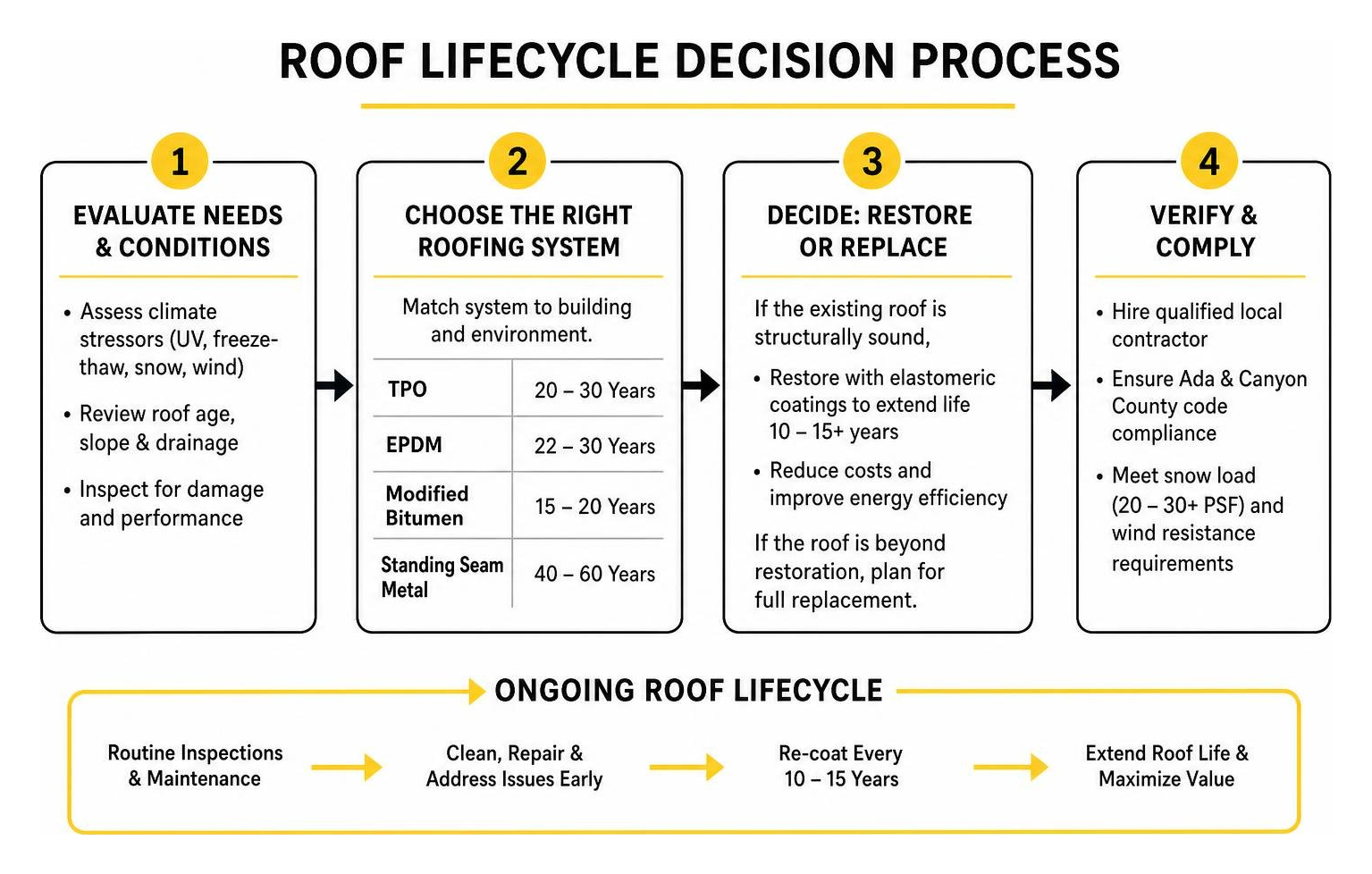
Smart commercial roofing budget management begins with matching the right roofing material to the severe environmental stressors of Southwest Idaho. The Treasure Valley experiences intense high-desert UV radiation during summer months, followed by rapid freeze-thaw cycles and heavy winter snow accumulation. These thermal swings cause building materials to expand and contract dramatically, a phenomenon known as thermal shock. If a commercial roof lacks the proper elasticity or tensile strength, this constant movement causes split seams, cracked flashings, and premature membrane failure.
The average cost of a commercial roof replacement in Idaho ranges from $5.50 to $12.00 per square foot. This price fluctuates based on structural accessibility, insulation thickness, deck repairs, and selected membrane type. Investing in a low-grade material that cannot withstand local ice dam formation or sustained wind gusts creates ongoing leak repair expenses that quickly erase any initial upfront savings. For a detailed breakdown of climate-resilient strategies, review our Idaho commercial roofing guide.
| Roofing System | Average Cost per Sq. Ft. | Typical Lifespan | Best Suited For |
|---|---|---|---|
| TPO (Thermoplastic Polyolefin) | $5.50 – $9.50 | 20 – 30 Years | Flat/low-slope roofs requiring high UV resistance and heat reflection |
| EPDM (Ethylene Propylene Diene Monomer) | $5.00 – $8.50 | 22 – 30 Years | Buildings needing puncture resistance and flexibility across freezing cycles |
| Modified Bitumen | $6.00 – $10.00 | 15 – 20 Years | High-traffic flat roofs requiring durable multi-ply protection |
| Standing Seam Metal | $9.00 – $14.50 | 40 – 60 Years | Steep-slope commercial properties prioritizing shed capability for heavy snow |
Evaluating TPO, EPDM, and Metal for Commercial Roofing Idaho Properties
TPO single-ply membranes are the standard for modern low-slope commercial structures in Boise and Meridian. The heat-welded seams of a TPO system form a physical bond stronger than the membrane itself, preventing water infiltration caused by standing water or melting snow drifts. EPDM rubber membranes provide exceptional cold-weather elasticity, absorbing thermal expansion without pulling away from perimeter parapet walls.
For facilities with architectural slope or industrial warehouses in Nampa and Caldwell, standing seam metal delivers unmatched longevity. Metal panels shed dense snow loads efficiently, preventing the perimeter ice damming that stresses structural decking. Navigating these material choices requires evaluating your building’s footprint, slope, and energy requirements through expert commercial roofing evaluation.
2. Leverage Roof Restorations and Protective Coatings
Roof restoration through elastomeric coatings is the most cost-effective alternative to a premature tear-off. Applying high-performance liquid coatings directly over an existing, structurally sound membrane creates a seamless, monolithic protective barrier. This approach eliminates up to 50% of the cost associated with full roof replacement by cutting out expensive labor, disposal fees, and business disruptions.
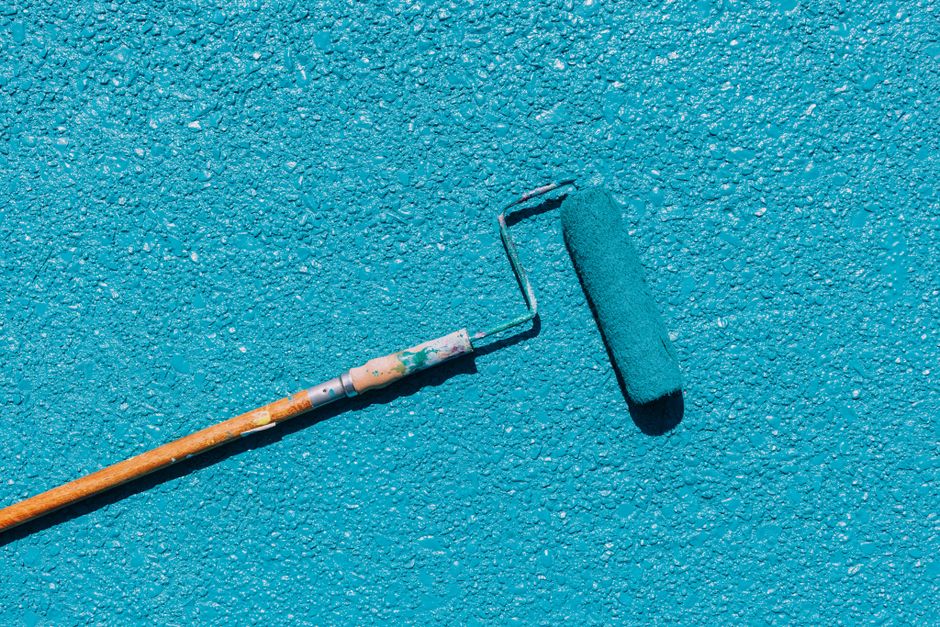
Restoration coatings bridge hairline cracks, seal deteriorated fastener heads, and reinforce aging laps. Acrylic coatings excel in high-UV environments by reflecting solar radiation, while high-solids silicone coatings resist continuous ponding water in areas with slow drainage. Commercial building owners can re-coat these elastomeric systems every 10 to 15 years, essentially resetting the roof’s operational lifecycle indefinitely while expensing the maintenance directly on annual tax returns rather than amortizing a capital replacement. Learn more about extending membrane life in the ultimate guide to roof coating.
Maximizing Energy Efficiency and Cost Savings in Commercial Roofing Idaho
Cool roofing installations lower commercial cooling energy expenses by up to 15% across hot Treasure Valley summers. Bright white reflective coatings and light-colored TPO membranes reflect upwards of 80% of solar energy away from the building envelope. This dramatic reduction in surface temperature prevents heat transfer into your top-floor workspaces, decreasing the run time and mechanical stress on rooftop HVAC units.
Commercial property owners in Idaho can also take advantage of regional utility efficiency incentives and federal section 179D tax deductions by choosing certified energy-efficient roofing systems that exceed minimum thermal insulation standards.
3. Vet Local Contractors and Verify Ada County Code Compliance
Hiring the right contractor protects your business from safety liabilities, improper installations, and municipal code violations. Commercial installations in Ada County and Canyon County must comply with strict building codes governing commercial snow loads (often engineered for 20 to 30+ PSF depending on exact elevation and structural design) and uplift wind resistance.
Verify these critical contractor qualifications before signing any contract:
- Active State Registration and Insurance: Ensure active registration with the Idaho Contractors Board alongside at least $2,000,000 in dedicated commercial general liability and workers’ compensation coverage.
- Factory Certifications: Look for manufacturer-certified contractors (such as GAF Master Select or equivalent), which unlocks non-prorated manufacturer labor-and-material warranties.
- Permit Acquisition Protocols: Never work with a roofer who asks you to pull your own permits; a professional contractor manages all municipal filings with Ada County Development Services or local city building departments.
- Dedicated Project Management: Verify on-site supervision protocols and written OSHA-compliant safety plans for fall protection.
Partnering with vetted Boise commercial roofers guarantees your roof meets local code mandates and withstands regional weather patterns.
4. Implement Preventative Maintenance to Avoid Expensive Replacements
Proactive maintenance programs prevent minor membrane vulnerabilities from turning into catastrophic structural failures. Commercial roofs endure rigorous environmental stress in spring, when severe wind gusts transport gravel, loosen perimeter metal edge trims, and deposit debris that clogs scuppers and internal drains. Standing water left on a flat roof for more than 48 hours degrades membrane seams and accelerates adhesive breakdown.
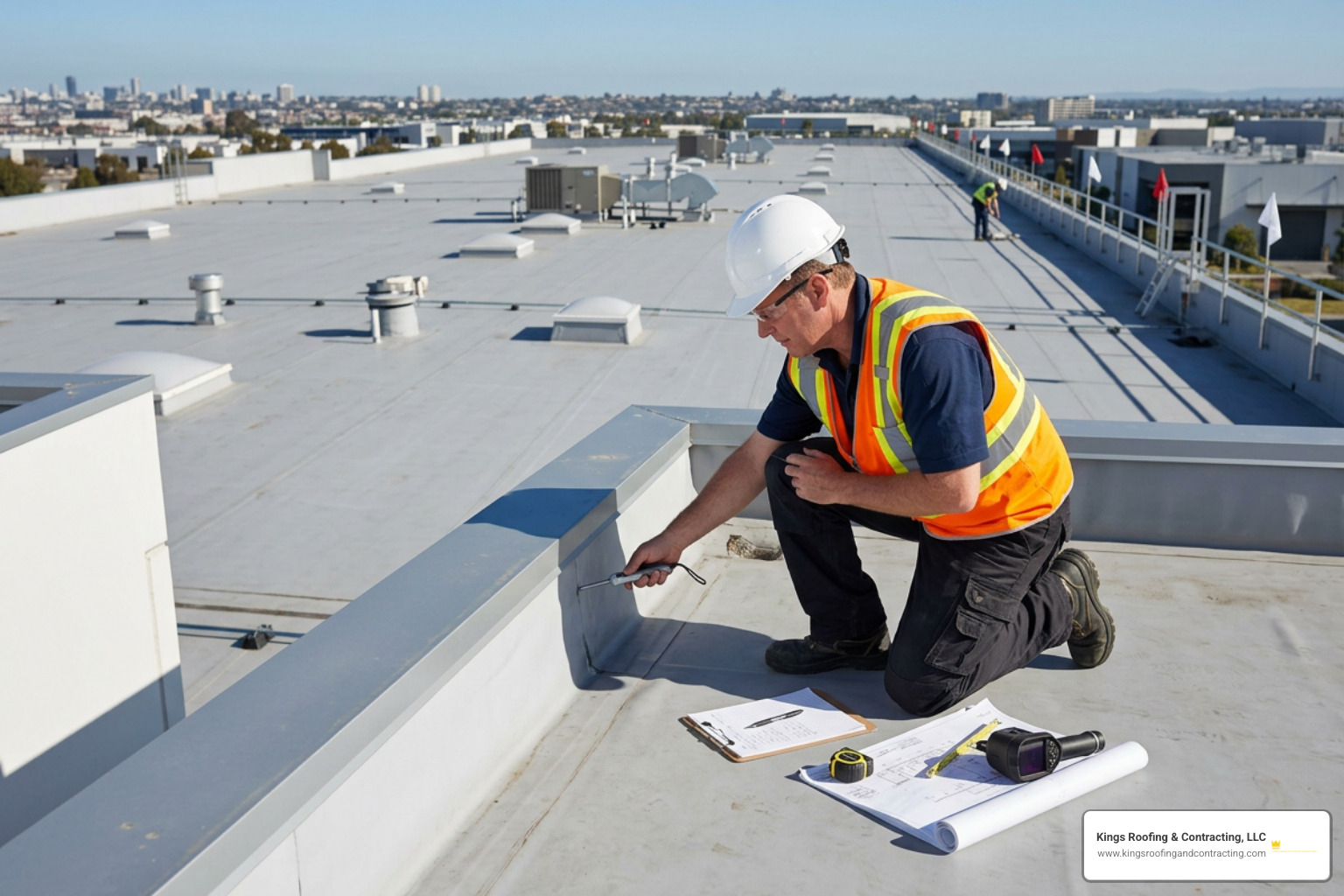
A comprehensive professional maintenance program focuses on critical failure points:
- Perimeter Flashing and Parapet Walls: Inspecting counter-flashings, expansion joints, and coping caps where wind uplift forces concentrate.
- Drainage and Scupper Integrity: Clearing rooftop drains, downspouts, and overflow scuppers of leaves, dirt, and biological growth to prevent structural water weight loading.
- HVAC and Equipment Curbs: Checking seals, pitch pockets, and mechanical penetrations that expand unevenly from equipment vibration.
- Membrane Seam and Puncture Inspections: Identifying micro-punctures from foot traffic, dropped maintenance tools, or hail impacts.
Scheduling professional roof inspections twice a year—ideally in spring and late autumn—keeps manufacturer warranties valid and extends total membrane service life by up to 40%.
5. Get Detailed Transparent Bids and Warranty Coverage
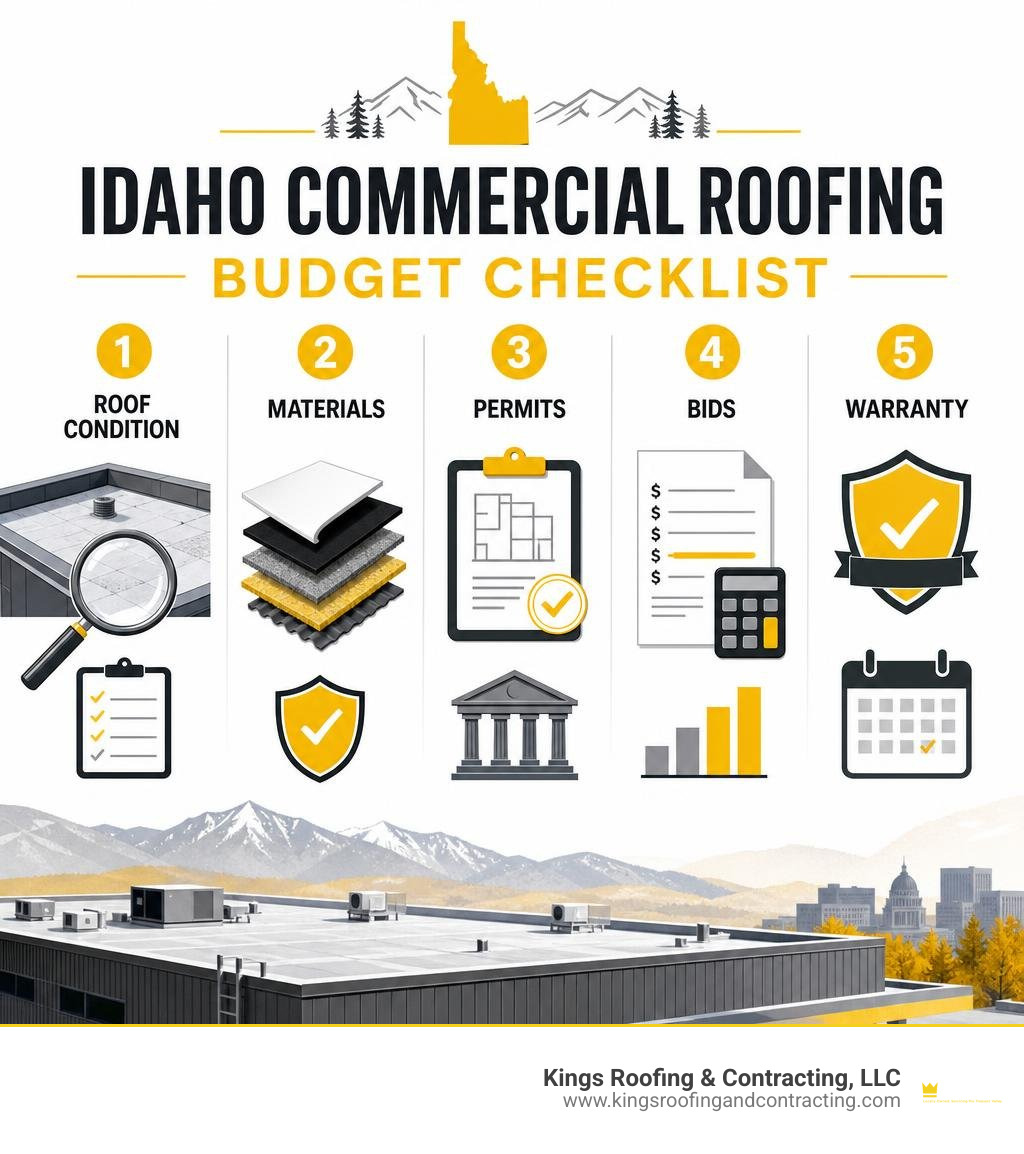
Budget-conscious property managers avoid ambiguous, single-lump-sum estimates. Low-bid proposals often hide structural exclusions, skim on insulation thickness (R-value requirements), or leave out crucial line items like decking repairs and municipal permit fees. When reviewing commercial roofing estimates across Boise, Meridian, or Eagle, demand transparent, itemized bids.
Ensure your proposals explicitly compare the following components:
- Detailed Scope of Work: Clear delineation between full tear-off versus overlay installations, including existing insulation core sampling notes.
- Specified Material Specifications: Exact manufacturer names, membrane mil thickness (e.g., 45-mil vs. 60-mil vs. 80-mil TPO), insulation type (polyiso board thickness), and attachment methods (mechanically fastened vs. fully adhered).
- Drainage and Flashing Details: Comprehensive replacement of all penetration boots, scuppers, edge metal, and collector boxes rather than reusing corroded components.
- Warranty Distinctions: Clear separation of the contractor’s internal workmanship warranty (typically 2 to 10 years) versus the manufacturer’s No Dollar Limit (NDL) material and system warranty (typically 15 to 30 years).
Frequently Asked Questions About Commercial Roofing in Boise
What is the average cost of commercial roof replacement in Idaho?
The average cost of a commercial roof replacement in Idaho ranges between $5.50 and $12.00 per square foot. Total project cost depends on the membrane material selected, the thickness of the required polyisocyanurate insulation to meet local energy codes, tear-off complexity, decking condition, and accessibility of the rooftop.
How long does a commercial flat roof typically last in the Treasure Valley?
A properly installed and maintained commercial flat roof lasts between 20 and 30 years in the Treasure Valley. Lifespan is influenced by regular maintenance, UV protection levels, effective drainage to eliminate ponding water, and the roof membrane’s thickness.
Do I need a permit for commercial roof repair or replacement in Boise?
Yes, commercial roof replacements, structural modifications, and significant re-roofing projects require building permits issued by the City of Boise or Ada County Development Services. Minor non-structural maintenance or isolated leak patches generally do not require permits, but professional contractors must verify local building compliance before starting major repairs.
Conclusion
Managing commercial roofing expenses in Boise, Meridian, Nampa, Caldwell, or Eagle requires a clear, long-term approach. By selecting climate-resilient materials, considering fluid-applied restorations, maintaining code compliance, and insisting on transparent, itemized bids, business owners can protect their operational assets while controlling roofing budgets.
At Kings Roofing & Contracting, LLC, our team delivers GAF-certified workmanship, 24/7 responsiveness, and detailed project estimates built specifically for Treasure Valley climate conditions. Request a free roof quote to protect your commercial investment for decades to come.