Why an Asphalt Flat Roof Requires a Completely Different Approach Than Standard Shingles
An asphalt flat roof is not just a regular shingle roof laid on a flatter surface — it is an entirely different system built around continuous waterproofing, not water-shedding. If you are planning a low-slope project, partnering with an experienced roofing contractor in Boise is the single most reliable way to protect your investment.
If you want a quick answer before diving in:
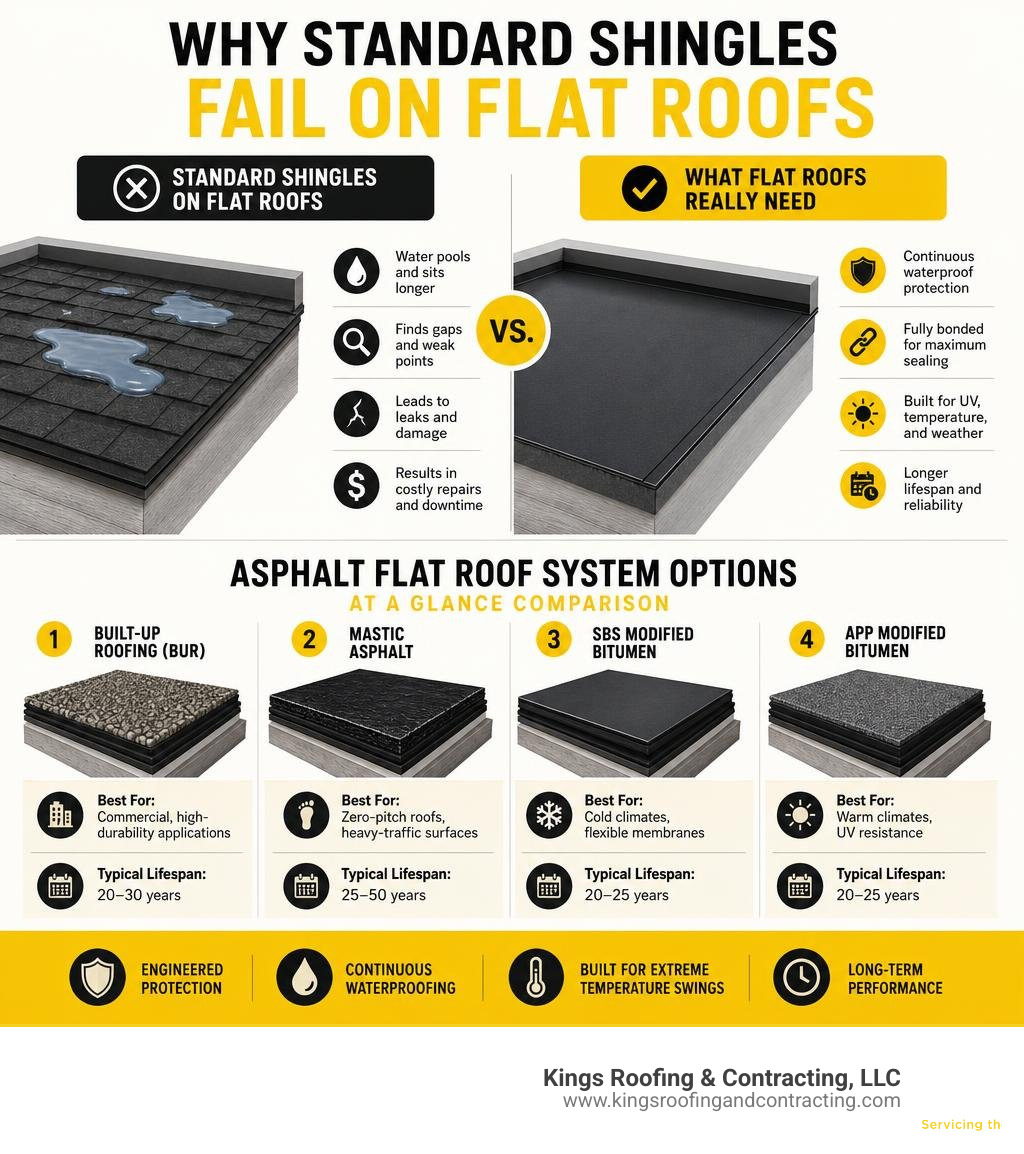
At a glance — Asphalt flat roof system types:
| System | Best For | Typical Lifespan |
|---|---|---|
| Built-Up Roofing (BUR) | Commercial, high-durability applications | 20–30 years |
| Mastic Asphalt | Zero-pitch roofs, heavy-traffic surfaces | 25–50 years |
| SBS Modified Bitumen | Cold climates, flexible membranes | 20–25 years |
| APP Modified Bitumen | Warm climates, UV resistance | 20–25 years |
Standard asphalt shingles work by overlapping layers that shed water downhill using gravity. On a low-slope or flat roof, that gravity advantage disappears. Water moves slowly, sits longer, and finds every gap a shingle system leaves open. That is why flat roofs demand a fully bonded, continuous membrane — and why choosing the wrong system leads to leaks, structural damage, and costly repairs.
For homeowners and property owners across Boise, Meridian, Nampa, and the broader Treasure Valley, the stakes are especially high. Idaho’s extreme temperature swings, freeze-thaw cycles, and intense summer UV exposure put flat roofs under constant stress.
I’m Ryan Santoro, owner of Kings Roofing & Contracting, LLC, and with 24 years in construction — including extensive work with asphalt flat roof systems across residential and commercial properties — I’ve seen what separates a roof that lasts 30 years from one that fails in five. This guide covers everything you need to know to make the right call for your property.
Understanding the Asphalt Flat Roof: Why Shingles Won’t Work
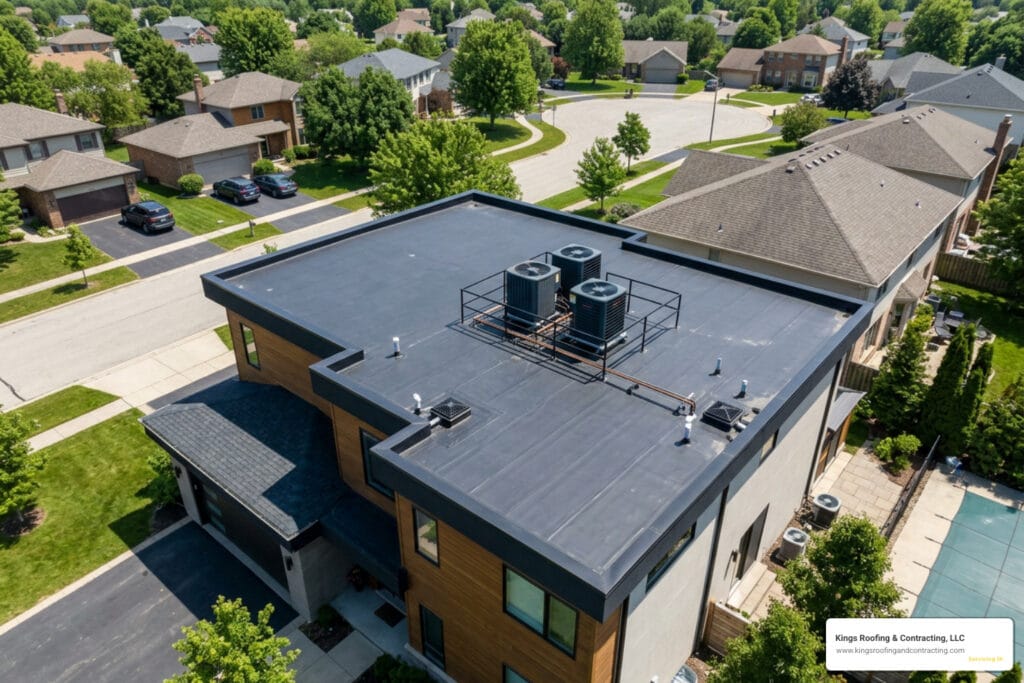
Flat roofs are an excellent architectural choice for modern homes, commercial buildings, and residential additions like garages or patios. However, their unique design means they cannot rely on traditional water-shedding methods. Understanding the physics of how flat roofs drain water reveals why standard shingles are entirely unsuitable and why specialized Types of Roofing are required.
The Physics of Flat Roof Drainage
A functional flat roof is never truly 100% flat. To prevent water from pooling indefinitely, flat roofs are designed with a very slight pitch — typically a minimum slope of 1/4-inch to 1/2-inch drop per foot. This subtle slope directs rain and melting snow toward dedicated drainage systems, such as scuppers, gutters, or internal drains.
The National Roofing Contractors Association (NRCA) emphasizes the “48-hour rule” for low-slope drainage. This industry standard dictates that a properly designed roof assembly must drain ponding water completely within 48 hours of a rainfall. When a roof fails to drain within this window, standing water begins to put immense hydrostatic pressure on the seams, accelerating material degradation and increasing the risk of structural leaks.
Why Shingles Fail on Low-Slope Surfaces
Standard shingles are designed strictly for sloped roofs where gravity does the heavy lifting. On a steep slope, water hits a shingle and immediately runs down over the next overlapping shingle, never getting a chance to seep underneath.
On a low-slope or flat surface, this gravity-driven process fails. Water moves slowly, and wind can easily drive rain backward under the overlapping edges of standard shingles. Once water gets beneath the shingles, capillary action pulls the moisture deeper into the roof deck, rotting the plywood and ruining the insulation.
For a deeper dive into how shingles perform on appropriate pitches, check out our guide on Asphalt Shingle Roofing and learn how to prevent leaks by reading No More Leaks: The Ultimate Guide to Asphalt Shingles in Boise. For low-slope projects, however, you must transition to a continuous, fully sealed membrane.
The 4 Main Types of Asphalt Flat Roof Systems
When choosing an asphalt flat roof, you are not limited to a single material. Modern asphalt technology has evolved to provide several distinct multi-ply and polymer-modified options, making asphalt highly versatile for both residential additions and large-scale Commercial Roofing systems.

Built-Up Roofing (BUR) and Mastic Asphalt
Built-Up Roofing (BUR) is one of the oldest and most reliable flat roofing systems in North America. Often referred to as “tar and gravel” roofs, BUR systems are constructed by alternating layers of asphalt-impregnated ply sheets (felts) with liquid hot asphalt (applied via a hot mop). The system is finished with a flood coat of asphalt and a layer of gravel or mineral aggregate. This multi-ply design provides redundant layers of waterproofing protection; if the top layer is punctured, the lower layers still prevent water from entering the building.
Mastic asphalt, often called “The King of Waterproofing,” is a premium, dense, pourable asphalt mixture that provides an entirely seamless surface. Laid by accredited contractors at a typical thickness of 10mm to 20mm, polymer-modified mastic asphalt can be applied to completely flat, zero-pitch surfaces. It is so durable that it can handle continuous heavy foot and vehicular traffic. In fact, systems like the Neuchâtel Mastic Asphalt Standard Flat Roof System :: miproducts – NZs building products search engine boast a service life of up to 50 years and are 100% recyclable.
Modified Bitumen: SBS vs. APP Asphalt Flat Roof Membranes
Modified bitumen systems take the traditional multi-ply concept of BUR and combine it with modern polymer chemistry to create factory-manufactured rolls with consistent thickness and enhanced physical properties. There are two primary types of modified bitumen membranes:
- SBS (Styrene-Butadiene-Styrene): SBS membranes are modified with synthetic rubber. This rubber-like additive gives the membrane extraordinary flexibility, allowing it to expand and contract easily. SBS is highly resilient in cold temperatures (performing well even below 0°F), making it the ideal choice for the intense freeze-thaw cycles we experience in the Treasure Valley.
- APP (Atactic Polypropylene): APP membranes are modified with plastic polymers, which gives them a higher melting point and excellent resistance to UV radiation and thermal aging. APP is tough, highly durable, and performs exceptionally well in hot, sunny conditions.
Both systems provide incredible puncture resistance and can be customized to your building’s specific needs. You can compare these material specifications further by exploring Asphalt Roofing Systems | SBS & APP | GenFlex .
Comparing the Asphalt Flat Roof to Synthetic Membranes
Selecting the right flat roof material requires weighing the performance, lifespan, and cost of asphalt against modern single-ply synthetic membranes and low-slope metal options.
Below is a direct comparison of the most common Flat Roof Systems:
| Material | Primary Pros | Primary Cons | Average Lifespan | Relative Cost |
|---|---|---|---|---|
| Built-Up Roofing (BUR) | Excellent redundancy, highly puncture-resistant | Heavy weight, strong installation odors | 20–30 Years | Moderate |
| Modified Bitumen | Highly flexible, excellent cold-weather performance | Requires regular seam inspections | 20 Years | Moderate |
| TPO (Single-Ply) | Highly reflective, grease-resistant, lightweight | Fewer redundant layers, seams can degrade | 20–30 Years | Moderate to High |
| EPDM (Rubber) | Highly flexible in winter, very durable | Absorbs heat (black), seams rely on adhesives | 30–50 Years | Moderate |
| PVC (Single-Ply) | Chemical-resistant, highly durable, welded seams | High initial material cost | 20–30 Years | High |
| Low-Slope Metal | Extremely long lifespan, low maintenance | High cost, complex thermal expansion management | 50+ Years | Very High |
Asphalt vs. Single-Ply Membranes (TPO, EPDM, PVC)
Single-ply membranes like TPO, EPDM, and PVC have grown in popularity due to their lightweight nature and ease of installation. However, they lack the multi-layer redundancy of an asphalt flat roof.
While a single-ply membrane relies on a single sheet of material (often 45 to 60 mils thick) to protect your building, a multi-ply asphalt system provides several independent layers of defense. If a piece of debris punctures a single-ply roof, a leak is almost guaranteed. On an asphalt BUR or modified bitumen roof, a surface puncture rarely goes through all layers, keeping your building dry.
Additionally, single-ply membranes like TPO and EPDM rely heavily on heat-welded or adhesive-bonded seams, which are common failure points. Asphalt systems, particularly hot-applied or torch-down modified bitumen, form a much thicker, more robust monolithic barrier across the entire roof deck.
Asphalt vs. Metal Roofing
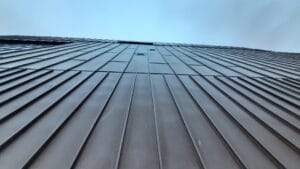
Metal roofing is a premium option that can be adapted for low-slope applications (typically down to a 2:12 pitch) using standing-seam panels. Standing-seam metal offers an incredibly long lifespan and sleek aesthetics, but it requires precise engineering.
Metal roofing expands and contracts significantly with temperature changes. In places like Caldwell, ID and Eagle, ID, where temperatures swing from sub-zero winter nights to triple-digit summer days, metal roof pans must be installed with specialized clips to allow for this thermal movement without buckling.
Metal is also significantly more expensive upfront than an asphalt flat roof and requires professional soldering at critical transitions. For most residential additions or commercial buildings, asphalt flat roofing provides a much more cost-effective balance of durability and budget.
Lifespan, Maintenance, and Preventing Common Failures
An asphalt flat roof is a significant investment, and maximizing its lifespan requires understanding the environmental forces at play and committing to a proactive maintenance schedule.
Key Signs Your Asphalt Flat Roof Needs Repair or Replacement
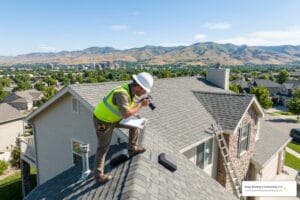
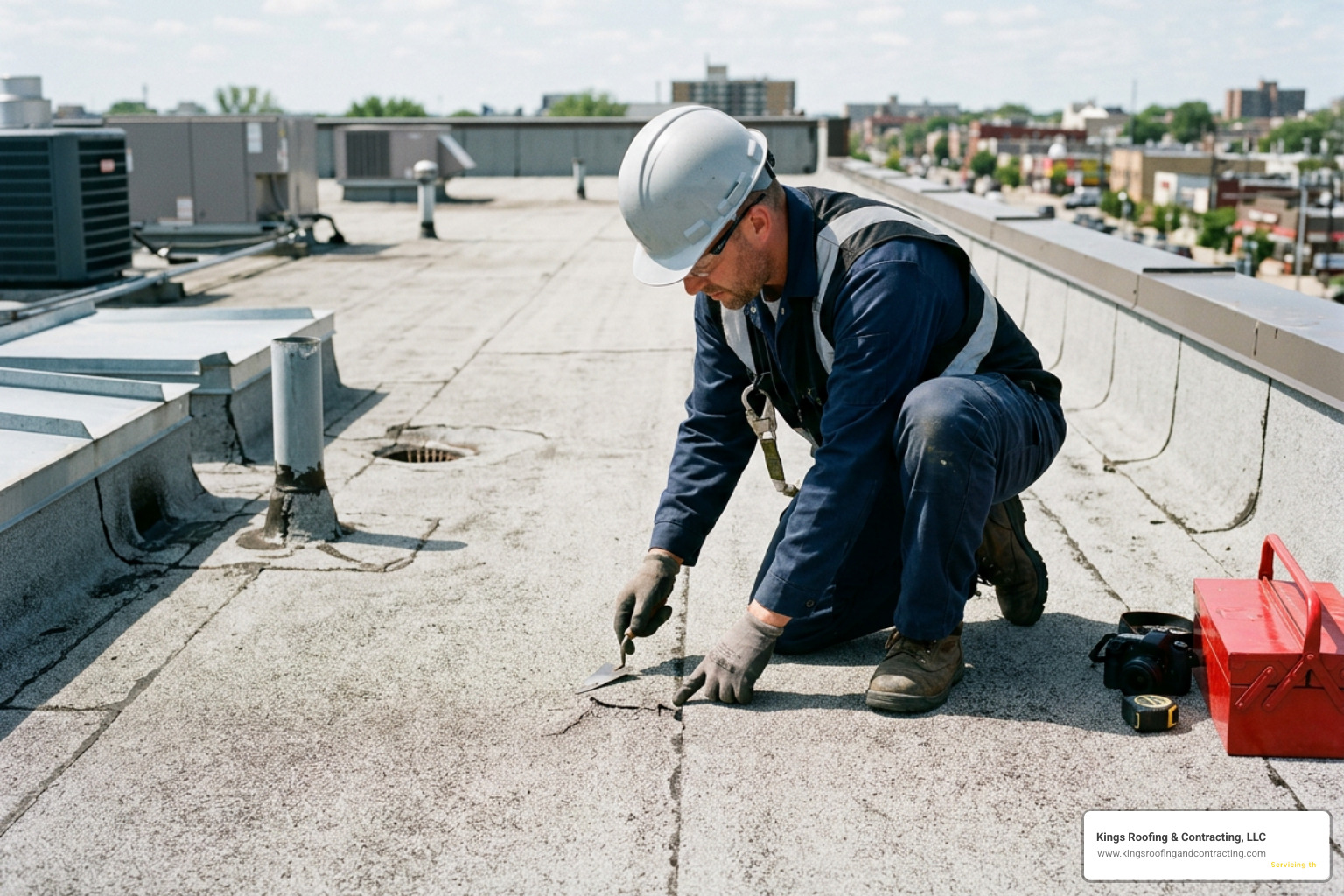
Because flat roofs hold water longer than sloped roofs, minor issues can quickly escalate into structural damage. We recommend scheduling professional Roof Inspections to catch these common warning signs early:
- Blistering and Bubbling: These look like raised pockets on the roof surface. They occur when moisture gets trapped between the layers of the roof membrane and expands as it heats up in the sun.
- Alligatoring: This is a pattern of deep, interconnected cracks in the asphalt surface that resembles alligator skin. It is a clear sign of severe UV degradation and indicates that the asphalt has lost its elasticity.
- Separating Seams: Over time, the seams of modified bitumen rolls can pull apart due to thermal expansion and contraction, creating direct pathways for water.
- Soft or Spongy Areas: If you feel a “give” or bounce when walking on the roof, the underlying insulation or wood decking is likely saturated with water and rotting, requiring immediate Roof Repair.
Proactive Maintenance and Climate Resilience
To get the longest possible life out of your flat roof in the Treasure Valley, proactive care is essential. We recommend property owners implement a simple yet effective Roof Maintenance routine:
- Clear Drains and Gutters: Keep scuppers, drains, and gutters free of leaves, pine needles, and debris. Clogged drains lead to ponding water, which accelerates membrane degradation.
- Apply Solar Reflective Paint: Applying a reflective aluminum or elastomeric coating protects the asphalt from intense UV rays and lowers roof surface temperatures by up to 50°F. This coating should be renewed every 3 to 5 years to keep the asphalt from drying out and cracking.
- Avoid Oil and Chemical Contact: Keep maintenance equipment oils off mastic asphalt and modified bitumen surfaces, as petroleum-based products will dissolve the asphalt binder.
Installation Methods, Warranties, and Environmental Impact
Proper installation is the single most critical factor in the performance of any flat roofing system. Even the highest-quality materials will fail prematurely if the substrate preparation is rushed or the wrong application method is used.
Professional Installation Techniques
Before any asphalt membrane is laid, the roof deck must be thoroughly inspected, cleaned, and dried. For concrete decks, a minimum cure time of 28 days is required. To prevent interior moisture from rising and condensing inside the roofing assembly, we always recommend installing a high-quality vapor retarder.
Depending on the specific system and building requirements, professional installers use several primary application methods, which are detailed in technical resources like the CertainTeed Flintlastic Application Handbook:
- Torch-Down (Heat-Welded): Installers use a propane torch to melt the asphalt backing on the underside of a modified bitumen roll as it is unrolled, fusing it directly to the base sheet. This creates an incredibly strong, watertight bond.
- Hot Asphalt (Hot Mop): Traditional built-up layers are bonded together using liquid asphalt heated to approximately 220°C (428°F) in a specialized kettle.
- Cold Adhesive: A liquid asphalt-based adhesive is applied to the substrate using squeegees or spray equipment, and the membrane is rolled into the wet adhesive. This eliminates the safety hazards and odors associated with open flames and hot kettles.
- Self-Adhered (Peel-and-Stick): Specialized SBS membranes are manufactured with a release film on the back. Once peeled, the membrane adheres directly to a primed substrate, making it an excellent option for residential additions where space is tight.
For liquid-applied details and coatings over asphaltic substrates, refer to the GAF Liquid-Applied Roofing Manual for precise specifications.
Warranties and Environmental Sustainability
When you partner with a GAF-certified contractor, you gain access to some of the strongest manufacturer warranties in the industry, often covering materials and workmanship for 20 to 30 years. These warranties require the roof to be installed strictly according to manufacturer specifications, including proper slope and drainage design.
From an environmental standpoint, asphalt flat roofing has made significant strides. Mastic asphalt was the first construction industry sector to achieve carbon-neutral certification. Additionally, mastic asphalt is 100% recyclable, meaning old roofing material can be melted down and completely repurposed, leaving zero waste.
Frequently Asked Questions About Asphalt Flat Roofs
How long does an asphalt flat roof typically last?
A professionally installed asphalt flat roof typically lasts between 20 and 30 years. The exact lifespan depends on the quality of the installation, the local climate, and how well the roof is maintained. Premium systems like polymer-modified mastic asphalt can last up to 50 years when installed by accredited specialists and protected with regular applications of solar reflective paint.
Can I install an asphalt flat roof myself?
We strongly advise against DIY installation for flat roofs. Unlike sloped shingle roofs, flat roofs require specialized commercial-grade equipment and precise technique to ensure a 100% watertight seal.
Torch-down installation involves open flames and carries severe fire risks, while hot-mop systems require handling liquid asphalt at temperatures exceeding 400°F. Attempting a DIY installation also voids manufacturer warranties and can lead to early system failure, reducing the roof’s lifespan from 25 years to just 5 to 10 years.
How much does it cost to replace an asphalt flat roof?
The cost to replace an asphalt flat roof generally ranges from $4.50 to $8.00 per square foot. For a typical 2,000-square-foot residential or light commercial property in the Treasure Valley, a complete replacement usually runs between $9,000 and $16,000.
Your final estimate will depend on several factors, including:
- Whether the old roof needs a complete tear-off down to the deck.
- The thickness and type of insulation required to meet local energy codes.
- The complexity of the roof’s perimeter, flashings, and penetrations (like HVAC units or skylights).
Conclusion
An asphalt flat roof is a time-tested, highly durable, and cost-effective solution for both residential and commercial properties. Whether you choose a classic Built-Up Roof (BUR) or a modern, rubber-modified SBS membrane, the key to a roof that lasts for decades lies in professional installation and regular, proactive care.
At Kings Roofing & Contracting, LLC, we bring GAF-certified workmanship, transparent pricing, and 24/7 availability to every project we touch. We serve property owners throughout Boise, Meridian, Nampa, Caldwell, Eagle, Garden City, and Kuna, ensuring your low-slope roof is built to withstand Idaho’s toughest seasons.
If you suspect your flat roof is showing signs of wear, or if you are planning a new construction project, do not wait for the next heavy rainstorm to find out if your system is watertight. Contact our team today to schedule an honest, professional evaluation of your roof.
Protect your property with the experts who know flat roofing inside and out. Visit our Boise Roof Repair page to learn more and request your free, no-obligation flat roof quote today!