



-
 Uncategorized
-
 0 Comments
How to Repair a Roof: Complete Guide to Signs, Steps, and Timeline
A well-maintained roof protects your home from weather, water damage, and structural issues. Knowing how to repair a roof is essential for homeowners, whether tackling a DIY project or coordinating with professionals. This comprehensive guide covers signs your roof needs repair, the roof repair steps, and answers the common question: how long does roof repair take? With proper knowledge and planning, you can keep your roof strong, safe, and long-lasting.
1. Recognizing Signs Your Roof Needs Repair
Early detection prevents minor issues from becoming major problems. Common signs your roof needs repair include:
- Leaks or Water Stains: Look for water marks on ceilings or attic walls.
- Damaged or Missing Shingles: Broken, curled, or missing shingles compromise protection.
- Sagging Areas: Indicates structural weakening or water damage in the roof deck.
- Granule Loss: Excess granules in gutters signal asphalt shingles are aging.
- Moss or Algae Growth: Can retain moisture and degrade roofing materials.
Identifying these warning signs helps you plan repairs before severe damage occurs.
2. Assessing the Roof Condition
Once signs are detected, assess the roof to determine the extent of damage:
- Safety First: Use proper safety gear or hire professionals if the roof is steep or high.
- Inspect All Surfaces: Check shingles, flashing, vents, and chimneys.
- Check Attic and Insulation: Water damage inside may indicate leaks not visible from outside.
- Photograph Damages: Document issues for insurance claims or repair planning.
A thorough assessment ensures accurate planning and prevents unexpected repair costs.
3. Understanding Roof Repair Options
The approach depends on the type and severity of damage:
- Shingle Replacement: Minor damage often only requires replacing a few shingles.
- Patch Repairs: Small leaks can be sealed with roofing cement or patching materials.
- Flashing Repair: Damaged flashing around chimneys or vents may need replacement.
- Partial or Full Roof Replacement: Extensive damage may require professional intervention.
Knowing your options ensures the repair matches the problem without overspending.
4. Roof Repair Steps: Preparing for the Job
Before starting repairs, preparation is key:
- Gather Materials and Tools: Shingles, roofing nails, hammer, roofing cement, ladder, safety harness.
- Weather Check: Schedule repairs on dry, calm days to prevent accidents and ensure proper adhesion.
- Clear the Work Area: Remove debris, leaves, and old materials from the roof and gutters.
- Safety Measures: Use ladders safely and secure yourself with harnesses on steep roofs.
Preparation reduces risk and makes the roof repair steps more efficient.
5. Step 1: Remove Damaged Shingles
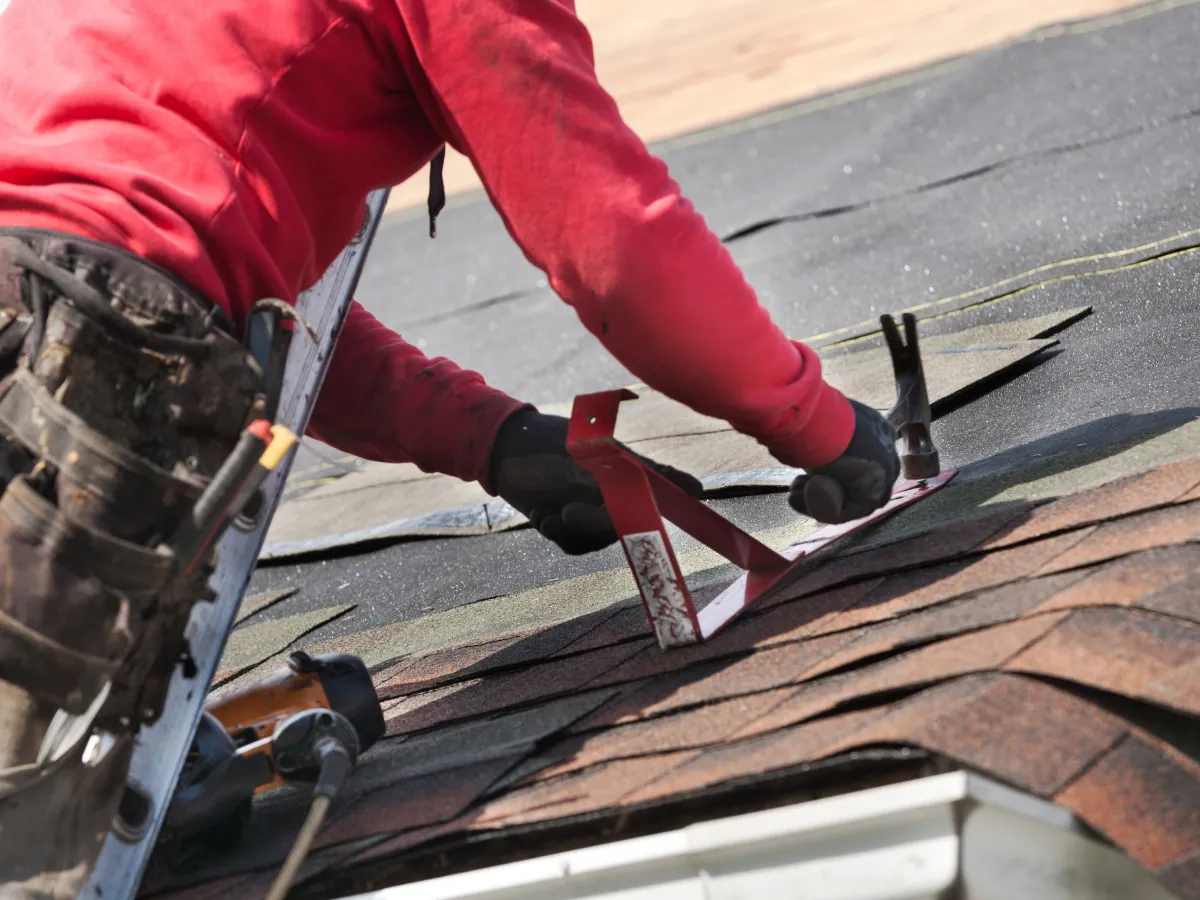
Replacing worn or broken shingles is often the first repair step:
- Lift the edges of surrounding shingles using a pry bar.
- Remove nails from damaged shingles and carefully take them off.
- Clear away debris before installing new shingles.
Proper removal prevents damage to surrounding shingles and prepares the surface for new materials.
6. Step 2: Install New Shingles
Once damaged shingles are removed, replacement begins:
- Slide new shingles into place and align with existing rows.
- Nail shingles securely, following manufacturer guidelines for spacing and nail placement.
- Apply roofing cement along edges or seams to prevent leaks.
Correct installation ensures the roof remains waterproof and protects the underlying structure.
7. Step 3: Repair Flashing and Seals
Flashing repairs prevent water from entering vulnerable areas:
- Inspect around chimneys, vents, skylights, and roof edges.
- Remove damaged flashing and clean the surface before installation.
- Secure new flashing with roofing nails and seal edges with roofing cement.
Well-maintained flashing prevents leaks, mold growth, and structural damage.
8. Step 4: Seal and Inspect
After replacing shingles and flashing:
- Apply Sealant: Use roofing cement or silicone sealant on joints and edges.
- Inspect the Work: Ensure nails are flush, shingles are aligned, and seals are tight.
- Check Gutters: Remove debris and confirm water flow is unobstructed.
Sealing and inspection ensure a long-lasting repair and avoid recurrent leaks.
9. Timeline: How Long Does Roof Repair Take?
The repair duration depends on damage severity and roof size:
- Minor Repairs: Replacing a few shingles or patching leaks can take 2–6 hours.
- Moderate Repairs: Multiple areas or flashing repairs may require 1–2 days.
- Major Repairs or Roof Replacement: Can take several days to a week, depending on material and weather.
Knowing the timeline helps you plan materials, manpower, and temporary arrangements during repairs.
10. Tips for DIY vs. Professional Repairs
Deciding whether to repair yourself or hire professionals depends on:
- Safety: Steep or high roofs require expertise and safety equipment.
- Complexity: Extensive damage or structural issues are better handled by professionals.
- Cost vs. Expertise: DIY saves money but may be risky if you lack experience.
- Warranty Considerations: Professional repairs may come with guarantees on workmanship and materials.
Balancing cost, safety, and quality ensures the repair is effective and long-lasting.
11. Preventive Maintenance for Roof Longevity
Regular maintenance reduces the need for major repairs:
- Inspect Annually: Look for damaged shingles, leaks, and flashing issues.
- Clean Gutters: Prevent water accumulation and damage.
- Trim Overhanging Branches: Avoid physical damage from falling limbs.
- Prompt Repairs: Fix minor issues immediately to prevent larger, more expensive problems.
Routine upkeep maximizes the lifespan of your roof and keeps your home safe.
Final Thoughts
Learning how to repair a roof protects your home, saves money, and extends the roof’s lifespan. Recognizing signs your roof needs repair, understanding the roof repair steps, and planning for how long roof repair takes helps homeowners act proactively. Whether performing small DIY fixes or coordinating professional repairs, careful planning, proper materials, and attention to safety ensure your roof remains strong, waterproof, and durable for years to come.
Spot a leak or damaged shingle? Follow this complete roof repair guide to fix issues efficiently and keep your home safe and dry. Call us today at (208) 803-8341.
